Best Fertility Doctor in Financial District: How to Choose the Right Specialist for Your Fertility Journey

The journey toward conception can bring up a wide range of emotions — hope, frustration, confusion, and sometimes a sense of isolation, especially if it's taking longer than expected. Choosing the right fertility doctor can make a real difference, not just in terms of medical guidance, but in how supported and understood you feel throughout the process. This guide covers what to look for in a fertility doctor and how Dr. Nikitha Reddy approaches fertility care for patients in Financial District.
When to Consider Seeing a Fertility Doctor
General guidance suggests considering a fertility evaluation after about a year of trying to conceive without success if you're under 35, or after six months if you're 35 or older. However, certain circumstances — such as irregular cycles, a known reproductive health condition, or a history of pregnancy loss — may warrant seeking an evaluation sooner. There's no harm in reaching out earlier simply for peace of mind or a baseline understanding of your reproductive health.
What a Fertility Evaluation Typically Involves
A standard fertility evaluation typically involves:
- A detailed review of medical history, cycle patterns, and any previous pregnancies
- Blood tests to assess hormone levels relevant to fertility
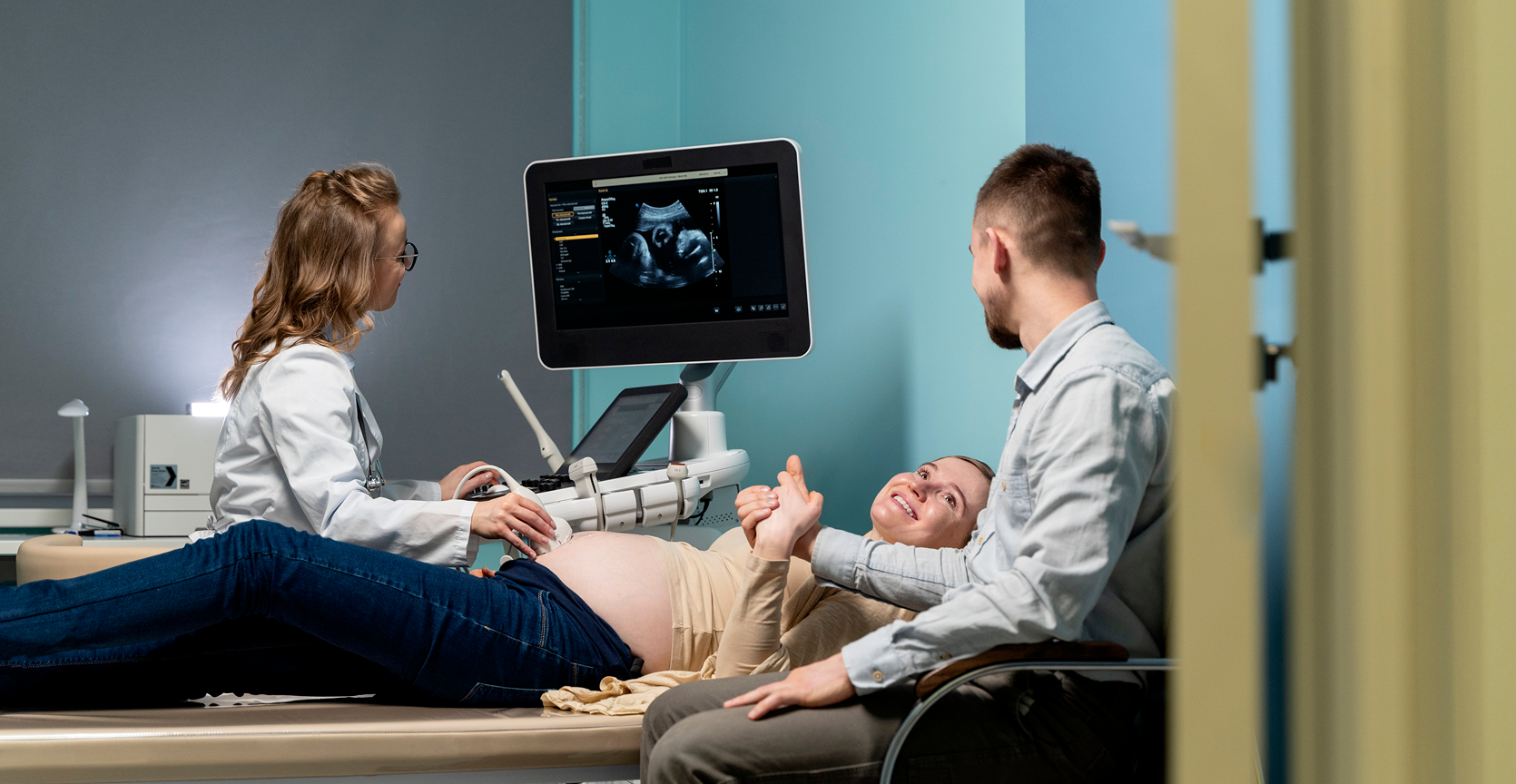
- Ultrasound imaging to evaluate reproductive anatomy
- Discussion of lifestyle factors that may influence fertility
- In some cases, evaluation of a partner's fertility factors as well
- A clear explanation of findings and what they may mean for next steps
What to Look for in a Fertility Doctor
Beyond clinical expertise, a good fertility doctor should communicate clearly, avoid making patients feel rushed or judged, and take time to explain both findings and options in a way that's easy to understand. Given how emotionally significant this journey can be, the ability to ask questions freely — without feeling dismissed — matters just as much as the doctor's technical knowledge.
How Dr. Nikitha Reddy Approaches Fertility Care
Dr. Nikitha Reddy's approach to fertility care starts with a thorough, unhurried initial consultation focused on understanding each patient's specific history and goals. From there, relevant testing is recommended based on individual circumstances rather than a generic checklist, and results are explained clearly, with time allowed for questions. Where treatment options are appropriate, these are discussed honestly, including a realistic view of what each option involves, so patients can make informed decisions about their own path forward.
Understanding Possible Next Steps
Depending on what a fertility evaluation reveals, next steps can range from lifestyle and timing adjustments, to medication-based treatments, to more advanced options such as IUI or IVF. Not every case requires advanced intervention — some fertility concerns can be addressed with more straightforward approaches. A good fertility doctor walks through these options in order of appropriateness for your specific situation, rather than defaulting to the most intensive option first.
The Emotional Side of Fertility Care
Fertility challenges can be emotionally taxing, and it's common for patients to feel a mix of hope and anxiety at each stage of testing and treatment. A supportive, judgment-free environment — where questions are welcomed and setbacks are acknowledged with empathy — plays an important role in making this journey more manageable. Dr. Nikitha Reddy's approach places real emphasis on this supportive dimension of care, alongside the clinical evaluation itself.
Making the Most of Your First Consultation
To get the most from an initial fertility consultation, it helps to track your cycle for a few months beforehand if possible, note down any relevant symptoms or patterns, and come prepared with questions about what testing might involve and what a realistic timeline for evaluation might look like.
What Happens if Initial Testing Doesn't Show a Clear Cause
It's fairly common for an initial fertility evaluation to not reveal an obvious explanation, a situation sometimes referred to as unexplained fertility difficulty. This doesn't mean treatment options are off the table — a good fertility doctor will discuss reasonable next steps even in these cases, which might include further targeted testing or a trial of a specific treatment approach based on your overall profile.
Involving Your Partner in the Process
Fertility evaluation and treatment often work best as a shared process rather than something one partner navigates alone. Many aspects of fertility involve both partners' health, and a good fertility doctor will typically discuss when and how to involve a partner in testing and ongoing conversations, so both people feel informed and included throughout the journey.
Conclusion
Fertility care works best when it's approached as a collaborative, informed process rather than a series of disconnected tests. If you and your partner have been trying to conceive and are ready for an expert opinion, consider scheduling a consultation with Dr. Nikitha Reddy in Financial District to discuss your fertility health and the options available to you.
Related Blogs
With advanced training in minimally invasive surgery and high-risk obstetrics.
Best Specialist for PCOS and Period Pain in Gachibowli: When Should You Seek Treatment?
Learn More
Best Gynaecologist for Ovarian Cyst Removal Gachibowli: Treatment Options Explained
Learn More
High-Risk Pregnancy Specialist in Gachibowli: Complete Guide to Specialist Pregnancy Care
Learn More