High-Risk Pregnancy Doctor in Financial District: When You Need Specialized Pregnancy Care

Hearing that your pregnancy is classified as "high-risk" can be unsettling, especially if you weren't expecting it. But a high-risk classification doesn't necessarily mean something is wrong — it simply means your pregnancy may benefit from closer monitoring and a more individualized care plan. Understanding what this actually involves can go a long way toward easing that initial anxiety. This guide explains what makes a pregnancy high-risk and how Dr. Nikitha Reddy approaches specialized care for patients in Financial District.
What Makes a Pregnancy High-Risk
Pregnancies may be classified as high-risk for a wide range of reasons, and having one or more risk factors doesn't automatically mean complications will occur — it simply signals that additional monitoring is a sensible precaution. Common reasons for a high-risk classification include maternal age (either younger or older than the typical range), pre-existing health conditions such as diabetes or high blood pressure, carrying multiple babies, a history of pregnancy complications, or findings identified during routine prenatal screening.
Why Specialized Monitoring Makes a Difference
Specialized monitoring helps protect both mother and baby through:
- Earlier detection of potential complications through more frequent visits
- Closer tracking of specific risk factors relevant to your situation
- Better-informed decisions about timing and mode of delivery
- Coordination with additional specialists when a situation calls for it
- A clearer, more personalized understanding of what to watch for at home
What a High-Risk Pregnancy Care Plan Typically Involves
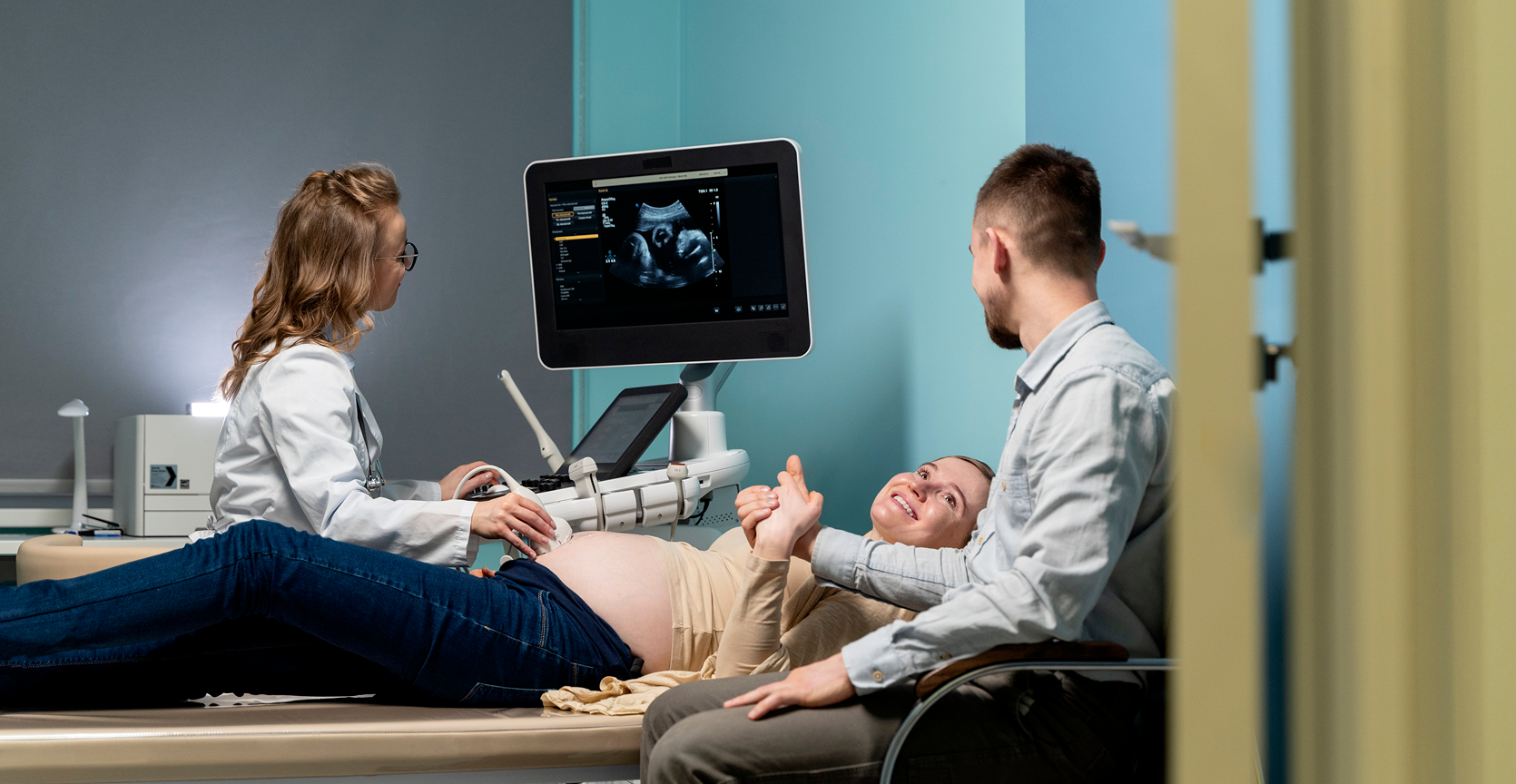
Rather than following a standard prenatal visit schedule, high-risk pregnancies are usually monitored more frequently, with additional testing tailored to the specific risk factors involved. This might mean more regular ultrasounds to track growth, closer blood pressure monitoring, more frequent blood work, or coordination with specialists in related fields. The exact plan varies significantly depending on the individual situation, which is why a thorough initial evaluation matters so much.
How Dr. Nikitha Reddy Approaches High-Risk Pregnancy Care
Dr. Nikitha Reddy's approach to high-risk pregnancy care begins with a detailed evaluation of the specific factors involved, followed by a monitoring plan built around those individual circumstances rather than a generic template. Throughout the pregnancy, patients are kept informed about what's being tracked and why, with clear explanations at each visit rather than a purely clinical rundown of numbers. When additional specialist input is needed, this is coordinated as part of an integrated care plan, so patients aren't left navigating multiple disconnected appointments on their own.
Managing the Emotional Side of a High-Risk Pregnancy
For many patients, the emotional impact of a high-risk diagnosis can be just as significant as the medical considerations. Uncertainty tends to be one of the biggest sources of stress, which is why clear, consistent communication from your doctor matters so much. Understanding exactly what's being monitored, what the findings mean, and what the plan is going forward can meaningfully reduce anxiety, even when the underlying situation requires careful attention.
Lifestyle Guidance for High-Risk Pregnancies
Depending on the specific risk factors involved, your doctor may provide tailored guidance around activity levels, diet, rest, and specific symptoms to watch for at home. This guidance is typically more individualized than standard pregnancy advice, reflecting the particular considerations relevant to your situation. Following this guidance closely, and reaching out promptly if something feels off, plays an important role in managing a high-risk pregnancy well.
When to Seek Immediate Attention
Even with regular monitoring in place, it's important to know which symptoms warrant immediate attention rather than waiting for the next scheduled visit — such as severe pain, heavy bleeding, sudden swelling, severe headaches, or a noticeable change in fetal movement. A good high-risk pregnancy doctor makes sure you understand these warning signs clearly from early in your care.
How High-Risk Care Plans Are Adjusted Over Time
A high-risk pregnancy care plan isn't fixed from the start — it's typically reassessed at various points as new information becomes available, whether from routine screening, changes in symptoms, or how the pregnancy is progressing overall. This means the plan you start with in the first trimester may look somewhat different by the third, and a good doctor keeps you informed as these adjustments happen rather than leaving you to notice the changes on your own.
Building a Support System During a High-Risk Pregnancy
Beyond medical monitoring, having a support system — whether that's a partner, family member, or friend who can attend appointments or simply be available to talk through concerns — can make a meaningful difference during a high-risk pregnancy. Some patients also find it helpful to connect with others who've navigated similar experiences, whether through their doctor's clinic or broader community resources.
Planning Ahead for Delivery in a High-Risk Pregnancy
Delivery planning for a high-risk pregnancy often begins earlier and involves more detailed discussion than a standard pregnancy, covering timing, delivery setting, and any additional precautions needed based on the specific risk factors involved. Having this conversation well ahead of the due date allows time to ask questions and feel genuinely prepared rather than rushed into decisions late in pregnancy.
Conclusion
A high-risk classification calls for closer attention, not panic — and the right doctor makes that distinction clear through consistent, well-explained monitoring. If you've been told your pregnancy is high-risk, or you have a health history that may require this kind of specialized care, reach out to Dr. Nikitha Reddy in Financial District to discuss a plan tailored to your specific needs.
Related Blogs
With advanced training in minimally invasive surgery and high-risk obstetrics.
Best Specialist for PCOS and Period Pain in Gachibowli: When Should You Seek Treatment?
Learn More
Best Gynaecologist for Ovarian Cyst Removal Gachibowli: Treatment Options Explained
Learn More
High-Risk Pregnancy Specialist in Gachibowli: Complete Guide to Specialist Pregnancy Care
Learn More