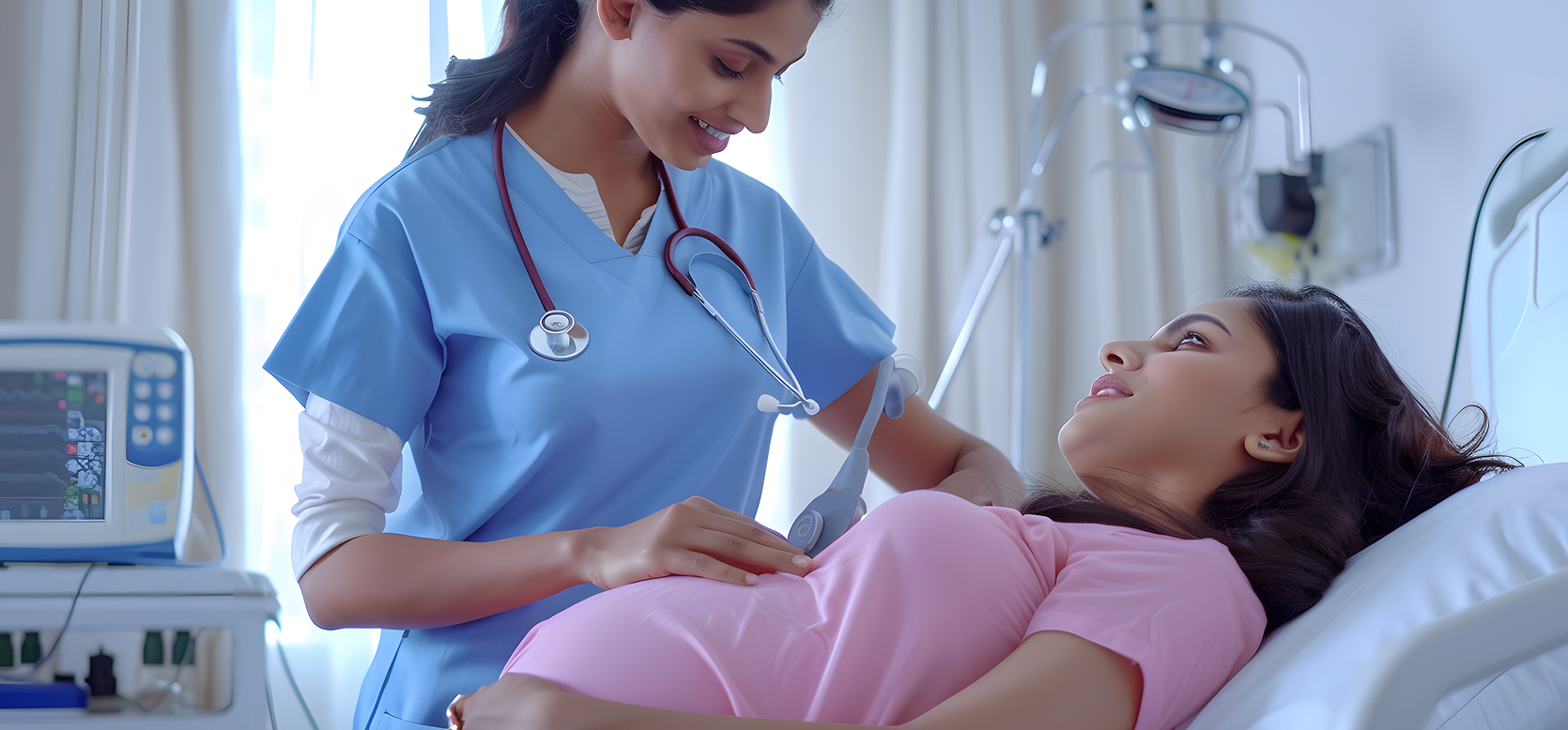
Top Gynaecologists for Adenomyosis in Gachibowli: Symptoms, Diagnosis & Treatment Options
Heavy periods that soak through pads, cramps that keep you away from work, and a constant feeling of pelvic heaviness are often brushed off as “normal”. For many women in Gachibowli, these symptoms are actually signs of adenomyosis, a common but frequently missed uterine condition. Getting the right diagnosis early can change your quality of life. This guide explains what adenomyosis is, how it is diagnosed, and what to look for when choosing a gynaecologist for treatment.
What Is Adenomyosis?
Adenomyosis occurs when the tissue that normally lines the inside of the uterus (the endometrium) grows into the muscular wall of the uterus (the myometrium). During every menstrual cycle, this misplaced tissue behaves as it normally would: it thickens, breaks down and bleeds. Because the blood has nowhere to go, the uterine wall becomes inflamed and enlarged, leading to pain and heavy bleeding.
How Adenomyosis Differs From Endometriosis and Fibroids
Adenomyosis is often confused with two other conditions. In endometriosis, similar tissue grows outside the uterus, on the ovaries, tubes or pelvic lining. Fibroids are muscular growths that form distinct lumps in the uterus. Adenomyosis is diffuse, meaning the tissue is spread within the uterine wall. The three conditions can also occur together, which is why careful evaluation by an experienced gynaecologist matters.
Symptoms You Should Not Ignore
Some women have no symptoms at all, and the condition is discovered during a scan for another reason. If your periods are affecting your daily routine, work or relationships, it is time to see a specialist. Common symptoms include:
- Very heavy or prolonged menstrual bleeding
- Severe period pain that worsens over time
- Pain during intercourse
- Chronic pelvic pain or pressure
- A bloated or enlarged lower abdomen
- Bleeding between periods
- Difficulty conceiving or repeated pregnancy loss
How Is Adenomyosis Diagnosed?
Clinical History and Examination: Diagnosis begins with a detailed discussion of your cycle, pain pattern, bleeding volume and fertility goals. A pelvic examination may reveal a uterus that is soft, tender or larger than expected. Imaging Tests: A transvaginal ultrasound is usually the first test and can show characteristic changes in the uterine wall. When the picture is unclear, or when other conditions such as fibroids or endometriosis are suspected, an MRI may be advised. In selected cases, hysteroscopy or laparoscopy helps rule out other causes of heavy bleeding and pain.
Treatment Options for Adenomyosis
There is no single treatment that suits everyone. The right plan depends on your age, symptom severity, desire for pregnancy and overall health:
- Medical Management: Pain relievers (NSAIDs) can ease cramps, while tranexamic acid may reduce heavy bleeding. Hormonal options such as progestins, combined oral contraceptives or a levonorgestrel-releasing intrauterine system can thin the uterine lining and control symptoms. Many women find good relief with medication alone.
- Minimally Invasive Procedures: When symptoms do not settle with medicines, minimally invasive options may be considered. Hysteroscopy can treat associated problems such as polyps, while laparoscopy allows diagnosis and treatment of coexisting endometriosis or fibroids. In selected women who wish to preserve their uterus, surgical removal of focal adenomyotic tissue may be discussed.
- Hysterectomy: For women who have completed their families and have severe symptoms that do not respond to other treatments, removal of the uterus offers a definitive solution. This is considered only after thorough counselling, and it is often done laparoscopically for faster recovery.
Adenomyosis and Fertility
Adenomyosis may be associated with difficulty conceiving and a higher risk of pregnancy complications in some women. This does not mean pregnancy is impossible. With proper evaluation, symptom control and, where needed, fertility treatment, many women with adenomyosis go on to have healthy pregnancies. If you are planning a baby, share this with your doctor at the very first visit so that treatment can be chosen with your goals in mind.
What to Look for in a Gynaecologist for Adenomyosis
When seeking care for adenomyosis, look for the following qualifications and approaches:
- Experience in diagnosing overlapping conditions like endometriosis and fibroids
- Training in minimally invasive surgery, including laparoscopy and hysteroscopy
- A willingness to discuss all options, not just surgery
- Sensitivity to fertility goals and family planning
- Clear communication and a compassionate approach to chronic pain
Why Choose Dr. Nikitha Reddy DS?
Dr. Nikitha Reddy DS is a gynaecologist and obstetrician with focused expertise in minimally invasive surgery, endometriosis, PCOS and reproductive health. She takes time to listen, explains each finding in simple language and builds a personalised plan, whether that means medication, a minimally invasive procedure or support for conception. Her clinics in Gachibowli and Madhapur make expert care easily accessible for women across the IT corridor.
Conclusion
Adenomyosis is treatable, and you do not have to accept painful, heavy periods as your normal. An accurate diagnosis, a clear explanation of your options and care that respects your life goals make all the difference. If you are searching for a trusted gynaecologist for adenomyosis in Gachibowli, a timely consultation is the first step towards relief. Book your appointment with Dr. Nikitha Reddy DS today. Call us or visit our clinic in Gachibowli / Madhapur, Hyderabad.
Related Blogs
With advanced training in minimally invasive surgery and high-risk obstetrics.
Best Gynaecologist for Normal Delivery in Madhapur: What Expecting Mothers Should Know
Learn More
High-Risk Pregnancy Doctor in Gachibowli: When to Seek Expert Care
Learn More
High-Risk Pregnancy Specialist in Gachibowli: Expert Monitoring for You and Your Baby
Learn More