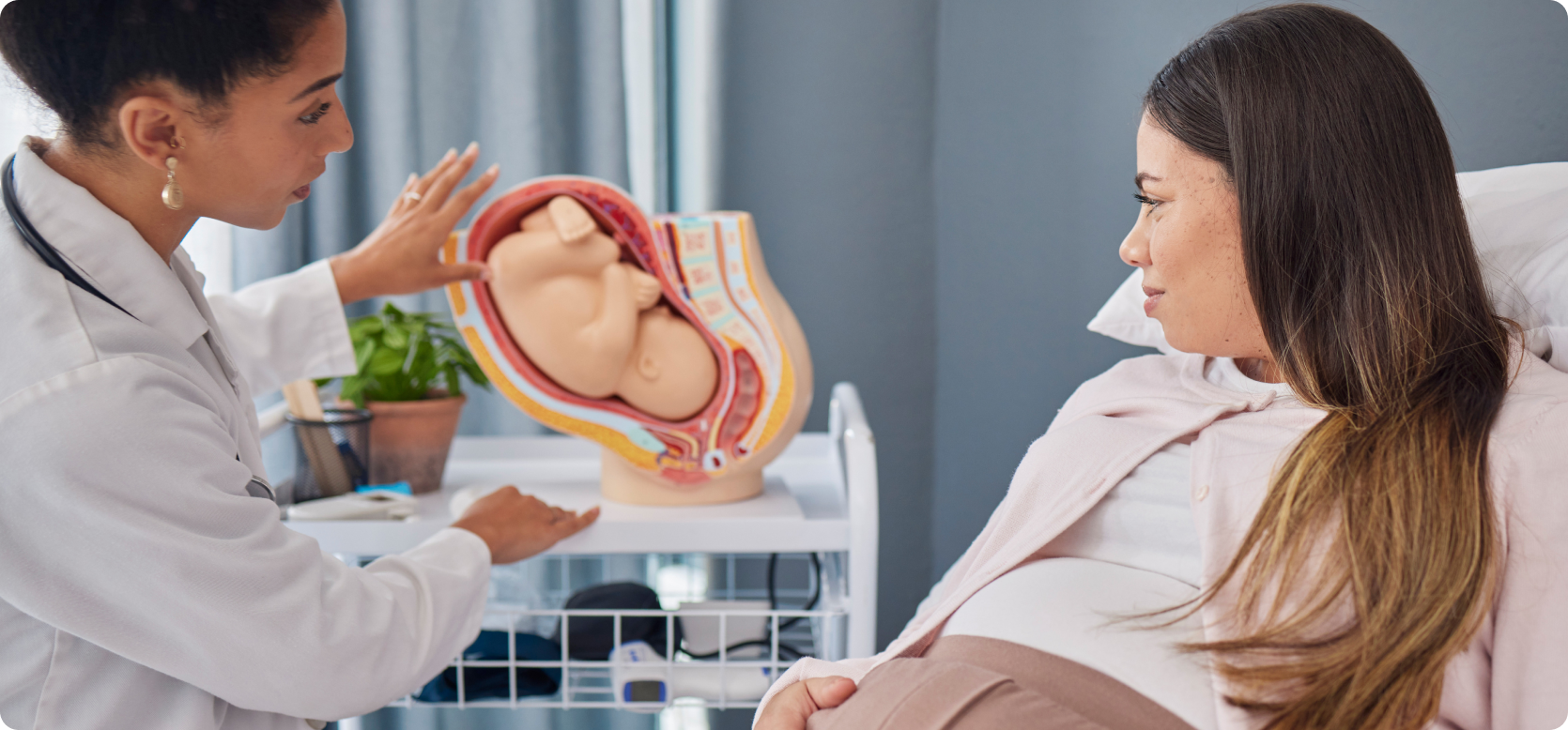
Best C-Section Specialist in Gachibowli for Safe Motherhood
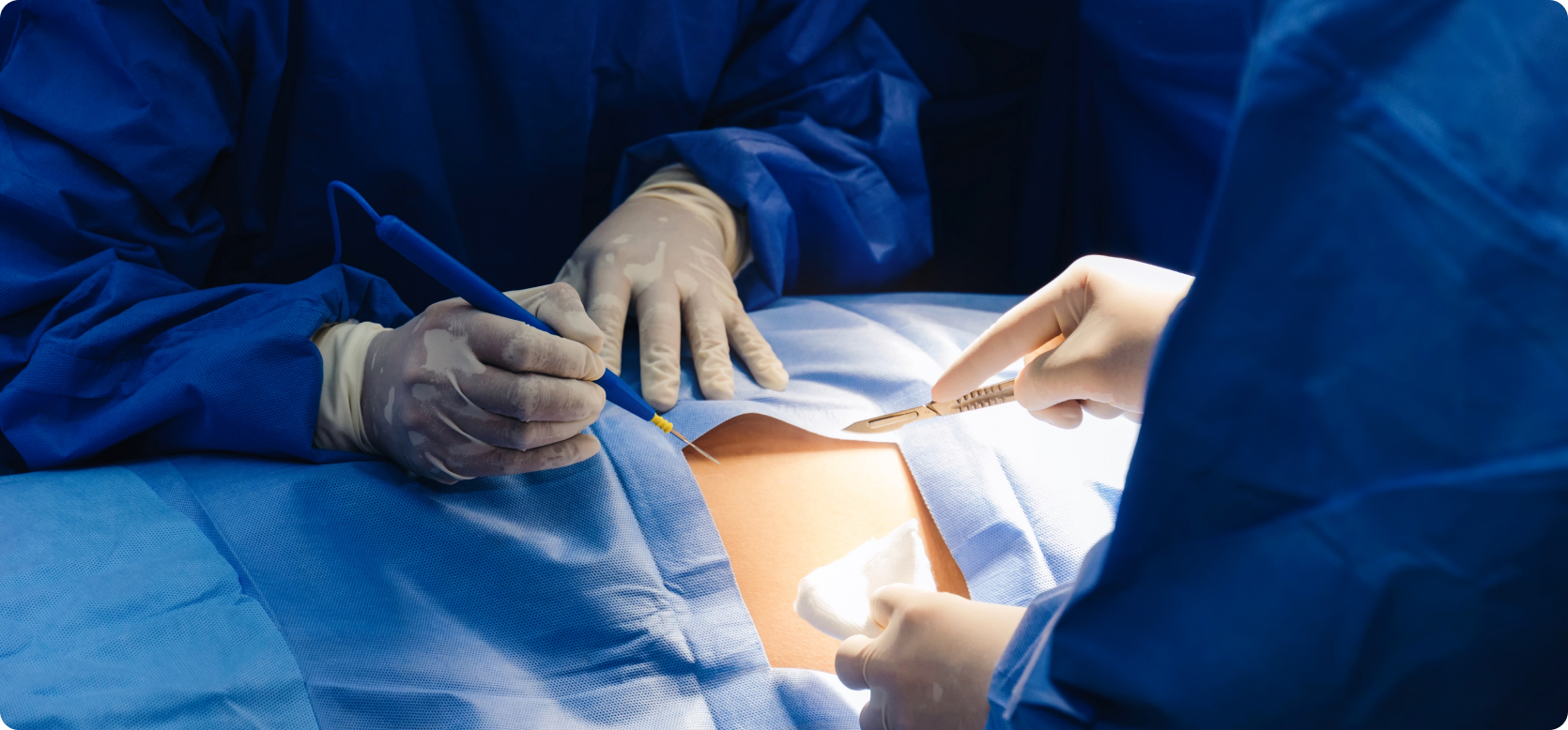
Caesarean section (C-section) is one of the most frequently performed surgical procedures in obstetrics—and when performed by an experienced specialist with the right clinical indications, it is a life-saving intervention for both mother and baby. Dr. Nikitha Reddy DS is widely regarded as the best C-section specialist in Gachibowli, combining surgical precision with thorough antenatal preparation and comprehensive postoperative care to ensure the safest possible outcomes for every patient. Whether your C-section is planned (elective) or unplanned (emergency), Dr. Nikitha Reddy DS's expertise, calm demeanour, and commitment to excellence ensure you are in the most capable hands.
When Is a C-Section Necessary?
Dr. Nikitha Reddy DS advocates strongly for normal delivery wherever it is safe to do so—but recognises that caesarean section is sometimes the best option for the safety of the mother and baby. Indications include:
- Foetal distress—abnormal foetal heart rate patterns indicating oxygen deprivation.
- Failure to progress—labour that stalls despite augmentation.
- Placenta praevia—placenta covering the cervical os.
- Placental abruption—premature separation of the placenta.
- Malpresentation—breech, transverse, or compound presentations.
- Cephalopelvic disproportion (CPD)—the baby's head is too large for the mother's pelvis.
- Multiple pregnancy—particularly for triplets or twins with complex presentations.
- Pre-eclampsia with severe features when vaginal delivery is not feasible.
- Maternal conditions—such as active herpes infection or certain cardiac conditions.
- Previous classical C-section scar—where VBAC is contraindicated.
- Foetal macrosomia in a diabetic mother.
- Previous complex uterine surgery.
Types of Caesarean Section
Depending on the medical situation, caesarean sections may be performed in different ways:
- Elective (planned) C-section—scheduled before labour begins, typically at 38–39 weeks.
- Emergency C-section—performed urgently when risks arise during labour or towards the end of pregnancy.
- Primary C-section—a first-time caesarean delivery.
- Repeat C-section—for women who have had a previous caesarean and for whom VBAC is not appropriate.
What Makes Dr. Nikitha Reddy DS an Exceptional C-Section Specialist?
Dr. Nikitha Reddy DS combines advanced surgical expertise with compassionate maternity care. Key advantages include:
- Extensive surgical experience in performing both elective and emergency caesareans with precision and efficiency.
- Pfannenstiel incision—the low transverse 'bikini line' incision that heals well and minimises visible scarring.
- Meticulous surgical technique to minimise blood loss and reduce complications.
- Surgical methods aimed at preventing adhesions and preserving reproductive health for future pregnancies.
- Advanced spinal anaesthesia coordination with experienced anaesthesiologists.
- Immediate neonatal assessment and mother-baby skin-to-skin contact wherever possible.
- Transparent pre-operative counselling so every mother understands the procedure step by step.
- Comprehensive post-operative pain management that supports early mobilisation and breastfeeding.
Before Your C-Section: Preparation and Counselling
Proper preparation helps ensure a smooth and safe caesarean delivery. This includes:
- Pre-operative assessment including blood tests, ECG, and anaesthesia review.
- Fasting instructions—typically nil by mouth for 6 hours before the procedure.
- Prophylactic antibiotics to reduce the risk of infection.
- Foetal wellbeing assessment with NST and ultrasound on the day of surgery.
- Detailed consent process explaining the risks, benefits, and alternatives.
- Birth preferences discussion covering partner presence, music, and immediate skin-to-skin contact.
- Cord blood banking discussion for families interested in preserving cord blood.
Recovery After C-Section: What to Expect
Recovery is carefully monitored to ensure optimal healing for both mother and baby. Typical milestones include:
- Day 1—catheter removal within 12–24 hours, followed by sitting up and gentle mobilisation.
- Day 2–3—oral diet resumed, wound inspection completed, and IV fluids discontinued.
- Day 3–4—discharge home in uncomplicated cases with detailed wound care instructions.
- Week 1–2—avoid strenuous activity, maintain wound hygiene, and begin pelvic floor exercises as advised.
- Week 6—comprehensive postpartum review including wound assessment, abdominal recovery, mood screening, and contraception planning.
- Return to exercise—typically from 8–12 weeks after surgery with medical clearance.
- Future pregnancies—counselling on recommended birth interval (minimum 18 months) and assessment of VBAC suitability.
Related Blogs
With advanced training in minimally invasive surgery and high-risk obstetrics.
Best Gynaecologist for Ovarian Cyst Removal in Gachibowli – Expert Care by Dr. Nikitha Reddy DS
Learn More
Adenomyosis Treatment in Gachibowli: Causes, Symptoms & Best Treatment Options
Learn More
Signs You Should Consult an Adenomyosis Specialist in Gachibowli
Learn More