Signs You Should Consult an Adenomyosis Specialist in Gachibowli
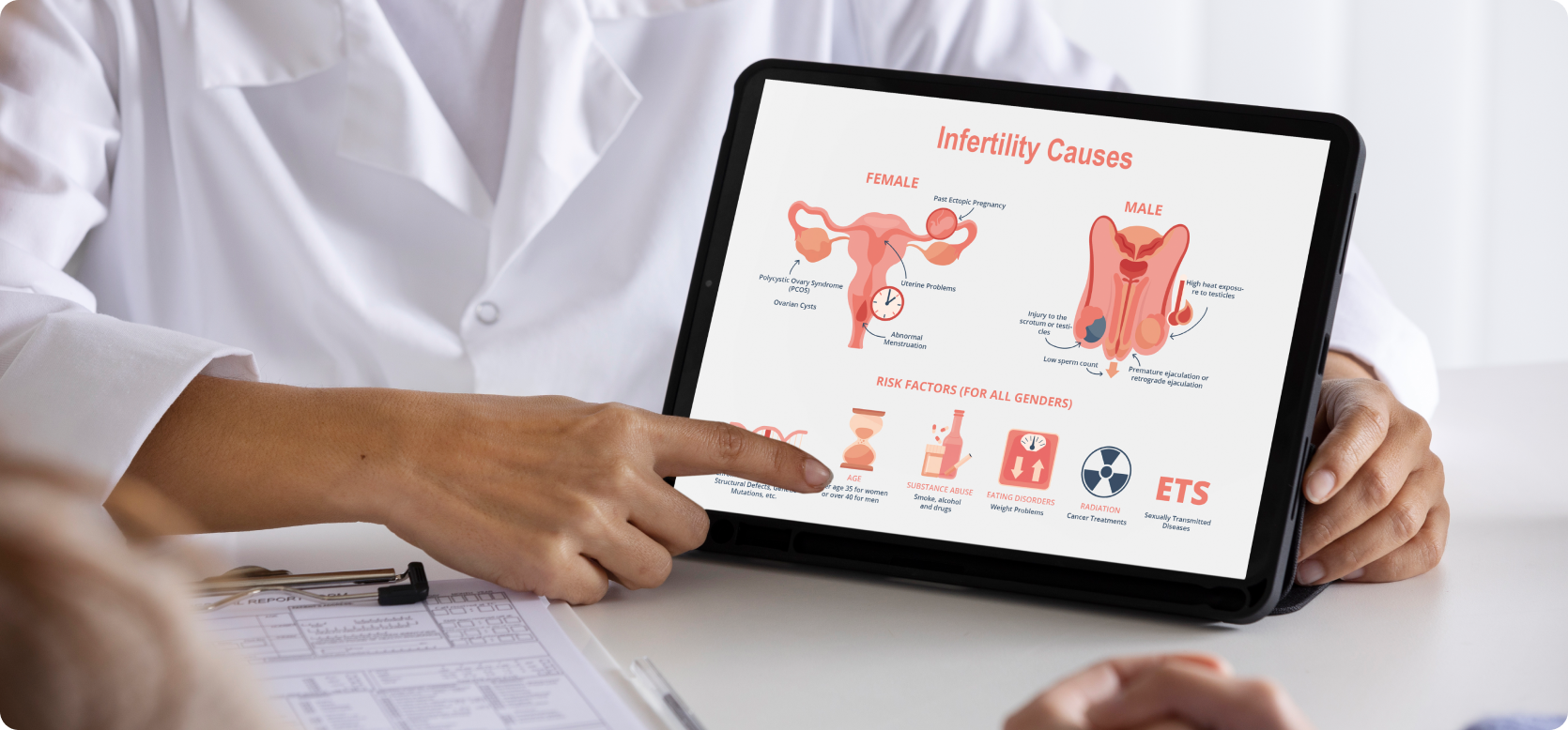
Adenomyosis is often dismissed as 'just bad periods'—leaving thousands of women in Hyderabad suffering without an accurate diagnosis or effective treatment. But the reality is that adenomyosis is a serious medical condition that progressively worsens without specialist intervention. Knowing when to seek help from an adenomyosis specialist in Gachibowli can make a profound difference to your quality of life, fertility, and long-term health. Dr. Nikitha Reddy DS is a highly experienced gynaecologist in Gachibowli who specialises in the diagnosis and treatment of adenomyosis. In this article, she outlines the key warning signs that should prompt every woman to seek specialist evaluation.
Sign 1: Your Period Pain Is Getting Worse Every Month
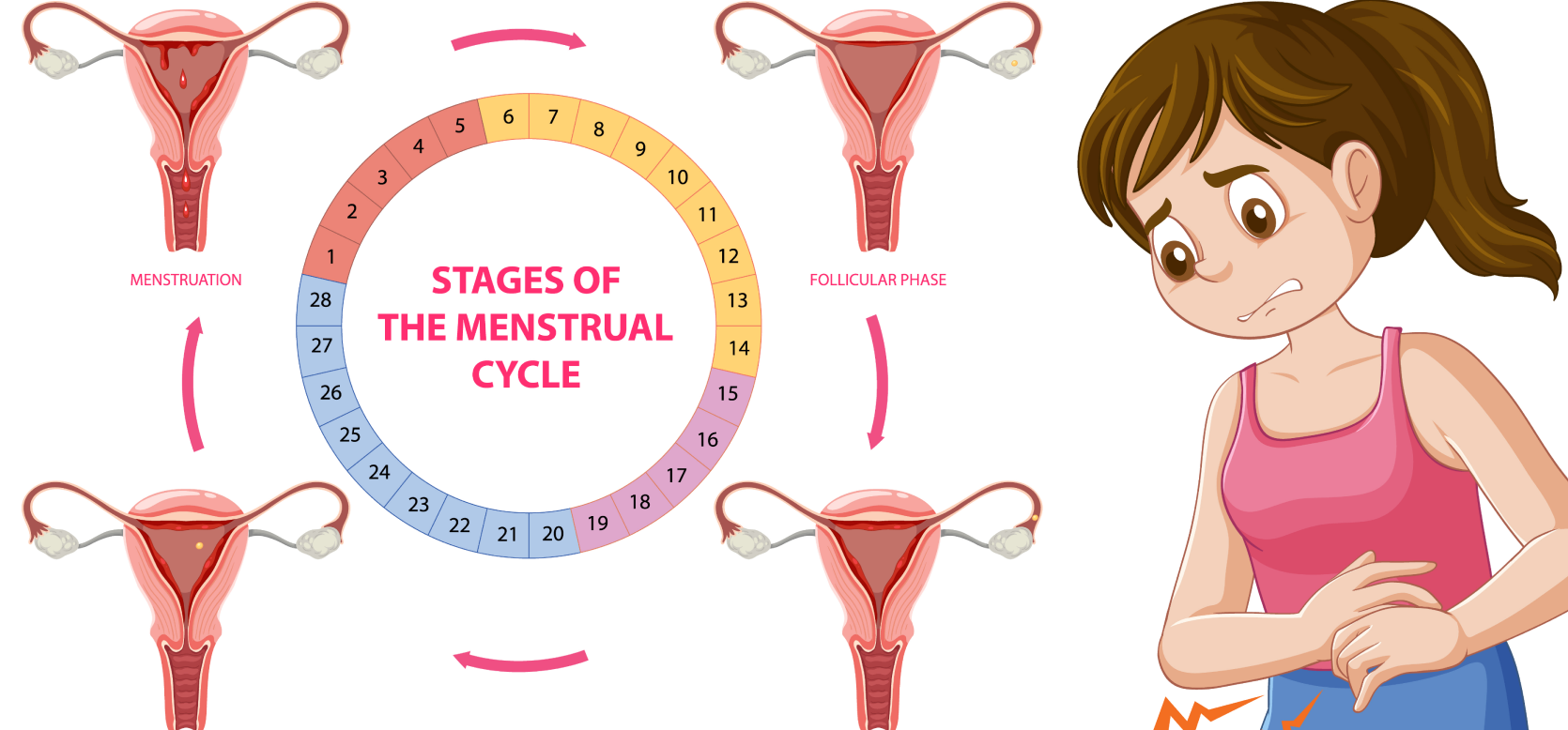
Mild menstrual cramping is normal—but pain that progressively worsens month after month is not. Adenomyosis causes cyclical inflammation and bleeding within the uterine muscle, and this process tends to become more severe over time. If you find yourself reaching for stronger painkillers, missing work, or being bedridden during your period, this is a clear signal that something more than typical dysmenorrhoea is occurring.
Sign 2: Your Periods Are Extremely Heavy
Heavy menstrual bleeding—clinically defined as soaking through a pad or tampon every hour for several consecutive hours—is one of the hallmark symptoms of adenomyosis. Warning signs include:
- Passing large blood clots (larger than a 50-paise coin).
- Needing to change sanitary products every 1–2 hours.
- Periods lasting longer than 7 days.
- Experiencing flooding—sudden, uncontrollable blood flow that causes accidents.
- Developing anaemia symptoms such as fatigue, dizziness, or shortness of breath due to chronic blood loss.
Sign 3: You Have Chronic Pelvic Pain Beyond Your Period
Adenomyosis does not always restrict its impact to period days. Many women experience a constant, dull aching pelvic pain that persists throughout the month—separate from menstrual cramping. If you have chronic lower abdominal or pelvic discomfort that your GP or general gynaecologist has not been able to adequately explain or manage, an adenomyosis specialist should be consulted.
Sign 4: Sex Is Painful
Pain during or after intercourse (dyspareunia)—particularly deep pelvic pain during penetration—is a common but underreported symptom of adenomyosis. This occurs because the enlarged, inflamed uterus is more sensitive to pressure. Many women feel embarrassed to report this symptom, but it is an important diagnostic clue that Dr. Nikitha Reddy DS will sensitively address in consultation.
Sign 5: You Have a Feeling of Pelvic Pressure or Bloating
Adenomyosis causes the uterus to enlarge—sometimes to two or three times its normal size. This enlargement can create a persistent sensation of pelvic fullness, pressure in the bladder or rectum, and visible lower abdominal bloating (often referred to as an 'adenomyosis belly'). If you feel like your abdomen is constantly distended without a clear explanation, it may be time for a specialist review.
Sign 6: You Are Struggling to Conceive
While not all women with adenomyosis experience fertility issues, the condition can impair implantation, alter the uterine environment, and increase miscarriage risk. If you have been trying to conceive for more than 12 months (or 6 months if you are over 35) without success—and particularly if you also have heavy periods—adenomyosis should be evaluated as a potential contributing factor.
Sign 7: Previous Treatments Have Not Worked
If you have tried standard hormonal treatments or pain management strategies without meaningful improvement in your symptoms, it may be because the underlying cause—adenomyosis—has not been properly identified or addressed. Seeing a specialist allows for a thorough re-evaluation, advanced imaging, and a revised treatment plan that specifically targets adenomyosis.
What to Expect at Your Consultation with Dr. Nikitha Reddy DS
During your consultation, Dr. Nikitha Reddy DS will perform a comprehensive evaluation to accurately diagnose adenomyosis and recommend the most appropriate treatment plan.
- A detailed, unhurried review of your menstrual history and symptoms.
- A gentle pelvic examination to assess uterine size and tenderness.
- Transvaginal ultrasound (TVUS)—performed in clinic for immediate assessment.
- MRI referral if further evaluation is needed.
- A clear explanation of your diagnosis and all available treatment options.
- A personalised treatment plan aligned with your symptoms, age, and fertility wishes.
Related Blogs
With advanced training in minimally invasive surgery and high-risk obstetrics.
Best Gynaecologist for Ovarian Cyst Removal in Gachibowli – Expert Care by Dr. Nikitha Reddy DS
Learn More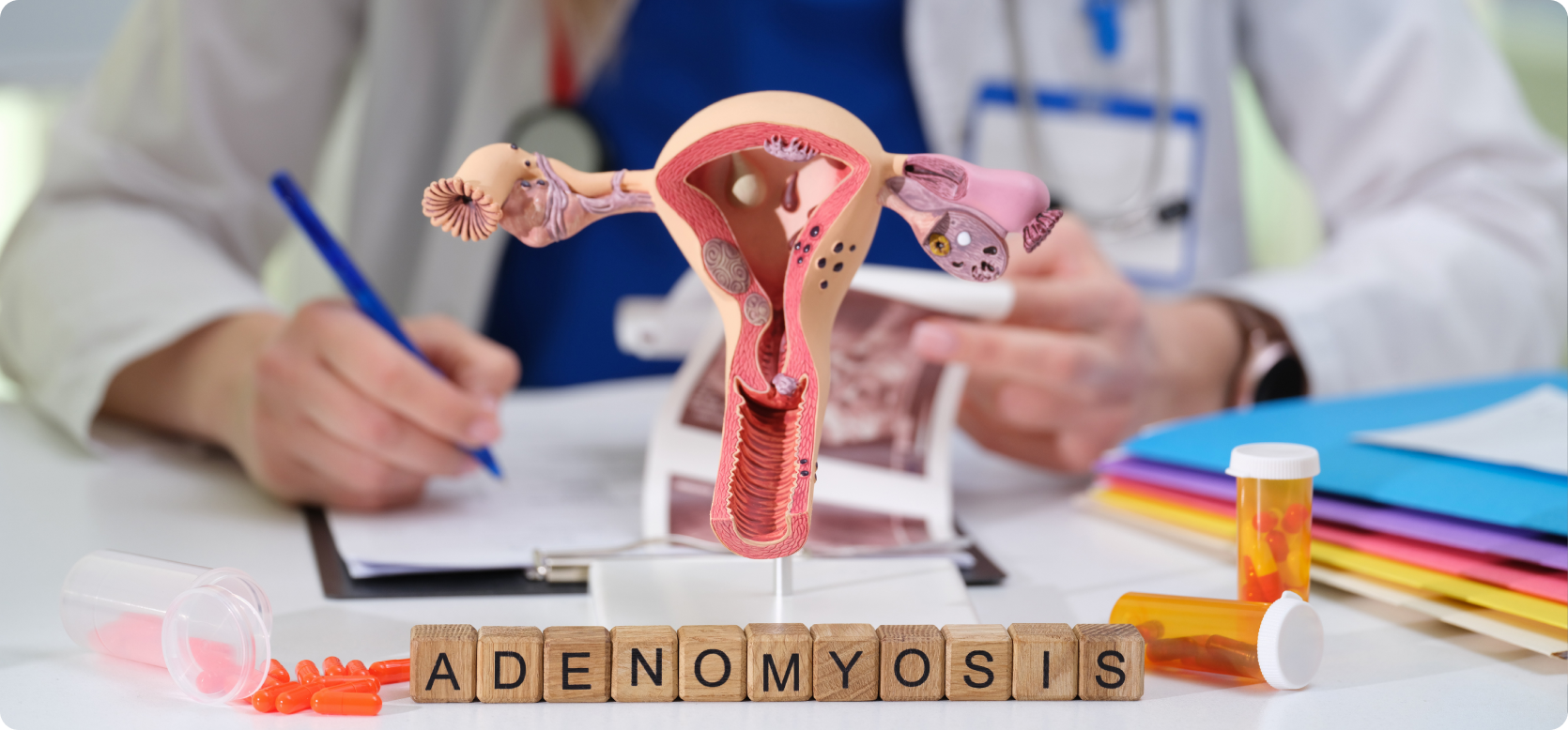
Adenomyosis Treatment in Gachibowli: Causes, Symptoms & Best Treatment Options
Learn More
Top Normal Delivery Specialists in Gachibowli for Safe Pregnancy Care
Learn More