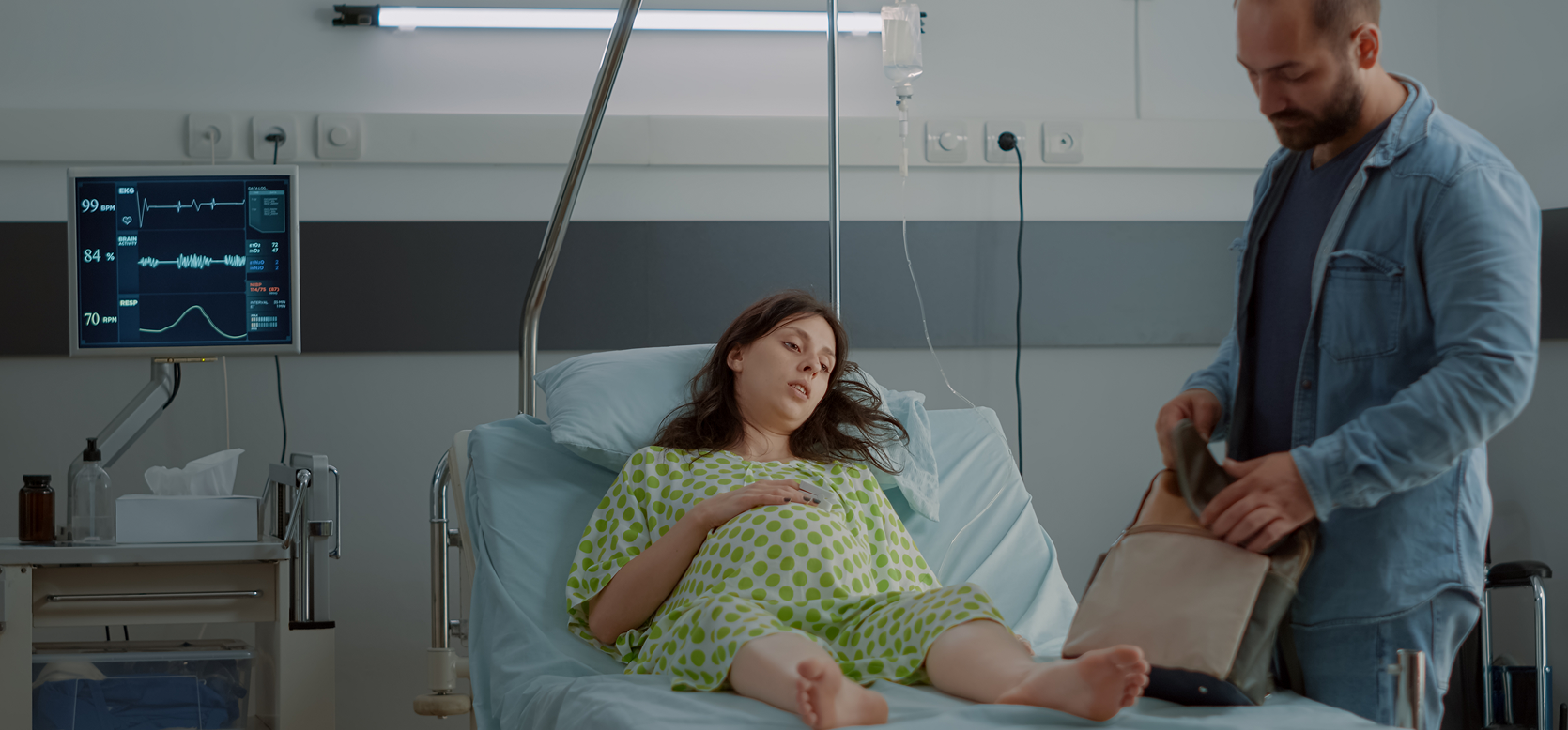
Best Infertility Specialist in Tolichowki: Causes, Tests & Treatment Options

Trying to conceive without success can be emotionally draining. Many couples wait for months, wondering whether something is wrong, and feel unsure about when to seek help. The truth is that infertility is common, it affects both men and women and, in most cases, it can be evaluated and treated. If you live in Tolichowki and are searching for an infertility specialist, this guide explains the causes, tests and treatment options so that you can take the next step with confidence.
What Is Infertility?
Infertility is generally defined as not being able to conceive after 12 months of regular, unprotected intercourse. For women aged 35 and above, evaluation is usually recommended after six months. If you have irregular periods, known pelvic conditions or a history of pregnancy loss, you should see a doctor sooner.
Common Causes of Female Infertility
Primary female reproductive factors include:
- Ovulation Problems: Conditions such as PCOS, thyroid disorders, high prolactin and premature ovarian insufficiency can prevent regular ovulation.
- Tubal and Pelvic Factors: Blocked fallopian tubes, pelvic infections, adhesions and endometriosis can prevent the egg and sperm from meeting.
- Uterine Factors: Fibroids, polyps, uterine septum, scar tissue and adenomyosis can interfere with implantation or pregnancy.
- Age-Related Decline: Egg quantity and quality decline gradually with age, especially after 35, which is why timely evaluation matters.
Male Factors Matter Too
In roughly a third of couples, male factors contribute to infertility. Low sperm count, poor motility, abnormal shape, infections, varicocele, lifestyle habits and hormonal problems may play a role. This is why a semen analysis is one of the first tests advised for every couple.
How Infertility Is Evaluated
Diagnostic workup for couples trying to conceive:
- Detailed history and examination of both partners
- Semen analysis for the male partner
- Hormonal tests such as AMH, thyroid, prolactin and others as needed
- Transvaginal ultrasound to examine the uterus, ovaries and follicles
- Tubal patency tests such as hysterosalpingography (HSG)
- Hysteroscopy or laparoscopy when further assessment of the uterus or pelvis is required
Treatment Options for Infertility
Personalised treatment pathways for fertility:
- Lifestyle Optimisation: Maintaining a healthy weight, eating well, exercising regularly, quitting smoking, limiting alcohol and managing stress can improve fertility in both partners. Timing intercourse around ovulation also helps.
- Ovulation Induction: For women who do not ovulate regularly, oral medicines or injections can stimulate follicle growth, usually with ultrasound monitoring.
- Intrauterine Insemination (IUI): In IUI, prepared sperm is placed directly into the uterus around the time of ovulation. It is often suggested for mild male factor, unexplained infertility or ovulation disorders when the tubes are open.
- Surgical Treatment: Hysteroscopy can remove polyps, adhesions or a septum, and laparoscopy can treat endometriosis, remove ovarian cysts or fibroids and release adhesions. These minimally invasive procedures can improve the chances of natural conception.
- Advanced Fertility Treatments: When other treatments are unsuccessful, or when there are blocked tubes, severe male factor or advanced age, assisted reproductive techniques such as IVF may be recommended. Your doctor will guide you on the right time and referral.
What Can You Do Before Your First Consultation?
Preparation steps to take before your appointment:
- Start folic acid after speaking to your doctor
- Track your menstrual cycles and note their length and regularity
- Bring previous reports, scans and any treatment records
- Ask your partner to attend the consultation, as fertility is a shared journey
- Reduce smoking, alcohol and excessive caffeine
How Long Does Fertility Treatment Take?
The timeline varies from couple to couple. Some women conceive within a few cycles of simple ovulation induction, while others need surgery or advanced treatment. Your doctor will review progress at each stage and revise the plan instead of continuing an approach that is not working. Being patient and consistent with follow-ups gives you the best chance of success.
When Should You Seek Help Sooner?
Do not wait a full year if you have very irregular or absent periods, severe period pain, a history of pelvic infection or surgery, known fibroids or endometriosis, or if your partner has a known semen problem. Early evaluation saves time and emotional strain.
Emotional Support During Fertility Treatment
Infertility can strain relationships and mental health. Open communication with your partner, realistic expectations and professional counselling when needed make the journey easier. You are not alone, and seeking help is a sign of strength.
Why Choose Dr. Nikitha Reddy DS?
Dr. Nikitha Reddy DS is a gynaecologist with expertise in minimally invasive surgery, PCOS, endometriosis and reproductive health. She offers a step-by-step, compassionate approach, treating the cause rather than just the symptom. Patients from Tolichowki can consult her at her Gachibowli and Madhapur clinics.
Conclusion
Infertility is a medical condition, not a failure. With timely evaluation, an accurate diagnosis and individualised treatment, many couples achieve their dream of parenthood. If you have been trying to conceive for a year, or six months if you are over 35, consult an infertility specialist and take the first step today. Book your appointment with Dr. Nikitha Reddy DS today. Call us or visit our clinic in Gachibowli / Madhapur, Hyderabad.
Related Blogs
With advanced training in minimally invasive surgery and high-risk obstetrics.
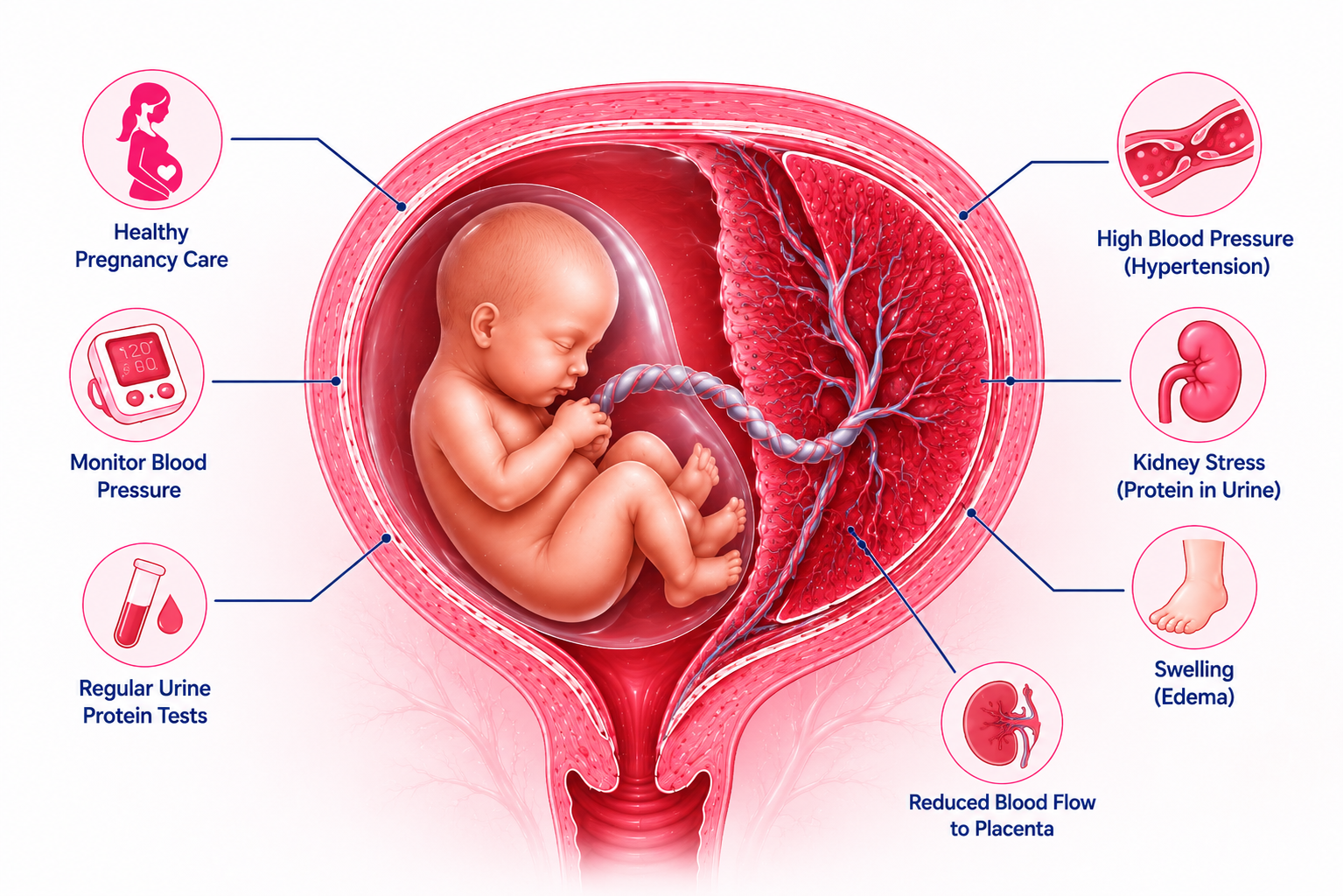
Top Gynaecologists for Adenomyosis in Gachibowli: Symptoms, Diagnosis & Treatment Options
Learn More
Best Gynaecologist for Normal Delivery in Madhapur: What Expecting Mothers Should Know
Learn More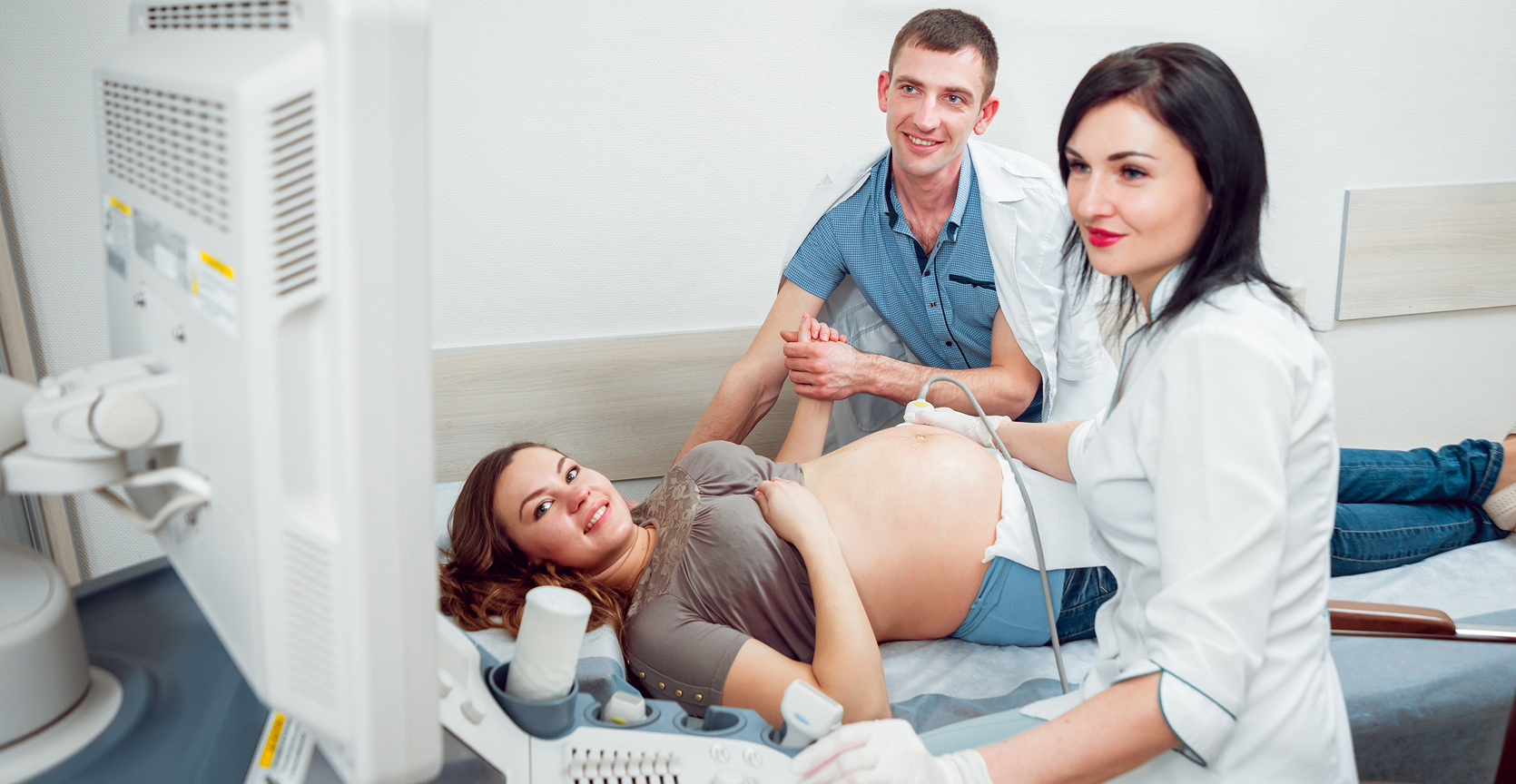
High-Risk Pregnancy Doctor in Gachibowli: When to Seek Expert Care
Learn More