
Best Prenatal Care Specialist in Financial District: Complete Antenatal Care Guide

Prenatal care, also called antenatal care, is the regular medical care you receive during pregnancy. It protects your health, monitors your baby’s growth and helps detect problems before they become serious. For busy professionals and families in the Financial District, a well-planned prenatal schedule with a trusted specialist is one of the best investments in a healthy pregnancy. Here is what good prenatal care looks like and how to make the most of it.
What Is Prenatal Care and Why Does It Matter?
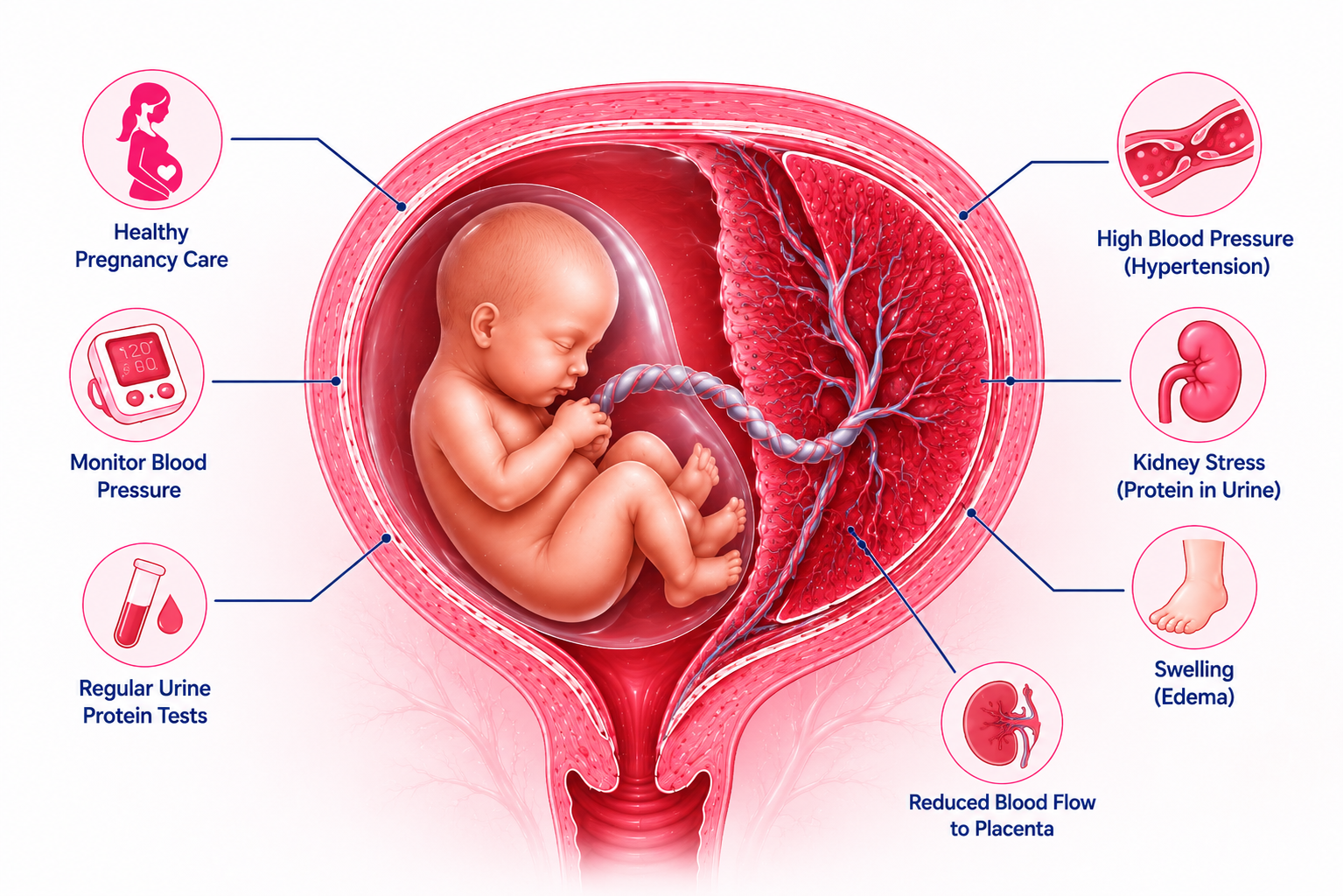
Prenatal care combines medical check-ups, screening tests, supplements, vaccinations and lifestyle guidance. Women who receive regular antenatal care are more likely to have healthy pregnancies, because conditions such as anaemia, gestational diabetes, high blood pressure and infections can be found and treated early.
Ideal Schedule of Prenatal Visits
While your doctor will personalise the schedule, a typical pattern for a low-risk pregnancy is:
- Once a month until about 28 weeks
- Every two weeks from 28 to 36 weeks
- Weekly from 36 weeks until delivery
- Note: Women with medical conditions or complications are usually seen more often.
Key Tests and Screenings
Essential screenings and diagnostics by trimester:
- Early Pregnancy: Blood tests check your haemoglobin, blood group and Rh factor, blood sugar, thyroid function and infections such as HIV, hepatitis B and syphilis. An early ultrasound confirms the pregnancy and the due date.
- 11 to 14 Weeks: The nuchal translucency scan, along with a blood test, estimates the chance of chromosomal conditions such as Down syndrome. It is a screening test, and your doctor will explain the results and any further options.
- 18 to 20 Weeks: The anomaly scan studies the baby’s brain, heart, spine, limbs and other organs, and also checks the placenta and amniotic fluid.
- 24 to 28 Weeks: A glucose tolerance test screens for gestational diabetes, which can usually be controlled with diet, exercise and, when needed, medication.
- Third Trimester: Growth scans, blood pressure checks and fetal monitoring assess the baby’s wellbeing and help plan the timing and mode of delivery.
Supplements and Vaccinations
Key nutritional supplements and recommended vaccines:
- Folic acid, ideally started before conception and continued in early pregnancy
- Iron and calcium as prescribed, depending on your blood levels and diet
- Vitamin D when required
- Tetanus, diphtheria and pertussis (Tdap) vaccine, usually in the third trimester
- Seasonal influenza vaccine, as advised by your doctor
Eating and Living Well During Pregnancy
Nutrition Tips: Choose freshly cooked, balanced meals with grains, pulses, vegetables, fruits, dairy and protein. Eat small, frequent meals if you have nausea or acidity. Limit caffeine and avoid raw or undercooked foods, unpasteurised dairy, alcohol and tobacco. Exercise and Rest: Most women benefit from 20 to 30 minutes of gentle activity on most days, such as walking, prenatal yoga and breathing exercises. Aim for seven to eight hours of sleep and rest when your body asks for it. Emotional Wellbeing: Mood swings and anxiety are common. If you feel persistently sad, hopeless or overwhelmed, tell your doctor. Support is available, and caring for your mental health is part of prenatal care.
Warning Signs: When to Call Your Doctor
Contact your care team immediately if you notice:
- Bleeding or fluid leaking from the vagina
- Severe headache, vision changes or sudden swelling
- Persistent abdominal pain or regular contractions before term
- Reduced baby movements
- Fever, burning urination or persistent vomiting
Preparing for Each Visit
How to prepare for productive antenatal appointments:
- Carry all previous reports, scans and prescriptions
- Note down your questions and symptoms before you arrive
- Keep a record of your blood pressure or sugar readings if you check them at home
- Bring your partner or a family member whenever possible
Prenatal Care for Working Women
Long hours at a desk and a demanding schedule can make it hard to prioritise your health. Pick appointment times that fit your day, take regular breaks to stretch and walk, and keep healthy snacks within reach. Share your needs with your employer and use your entitled leave when required.
What to Look for in a Prenatal Care Specialist
Look for a doctor who offers unhurried consultations, explains your reports in simple words, follows evidence-based protocols and is reachable when you have concerns. Experience in handling both routine and high-risk pregnancies gives added reassurance.
Why Choose Dr. Nikitha Reddy DS?
Dr. Nikitha Reddy DS provides comprehensive prenatal care built on careful monitoring, clear communication and compassion. She considers your lifestyle, work schedule and health history to create a plan that fits you. Her clinics in Gachibowli and Madhapur are easily reachable from the Financial District.
Conclusion
Good prenatal care is steady, structured and supportive. By attending your visits, completing recommended tests and following your doctor’s advice, you give your baby the best start in life. If you are searching for a prenatal care specialist in the Financial District, schedule your first antenatal visit today. Book your appointment with Dr. Nikitha Reddy DS today. Call us or visit our clinic in Gachibowli / Madhapur, Hyderabad.
Related Blogs
With advanced training in minimally invasive surgery and high-risk obstetrics.
Top Gynaecologists for Adenomyosis in Gachibowli: Symptoms, Diagnosis & Treatment Options
Learn More
Best Gynaecologist for Normal Delivery in Madhapur: What Expecting Mothers Should Know
Learn More
High-Risk Pregnancy Doctor in Gachibowli: When to Seek Expert Care
Learn More