
Best Supplements for PCOD: Essential Vitamins & Minerals Every Woman Should Know
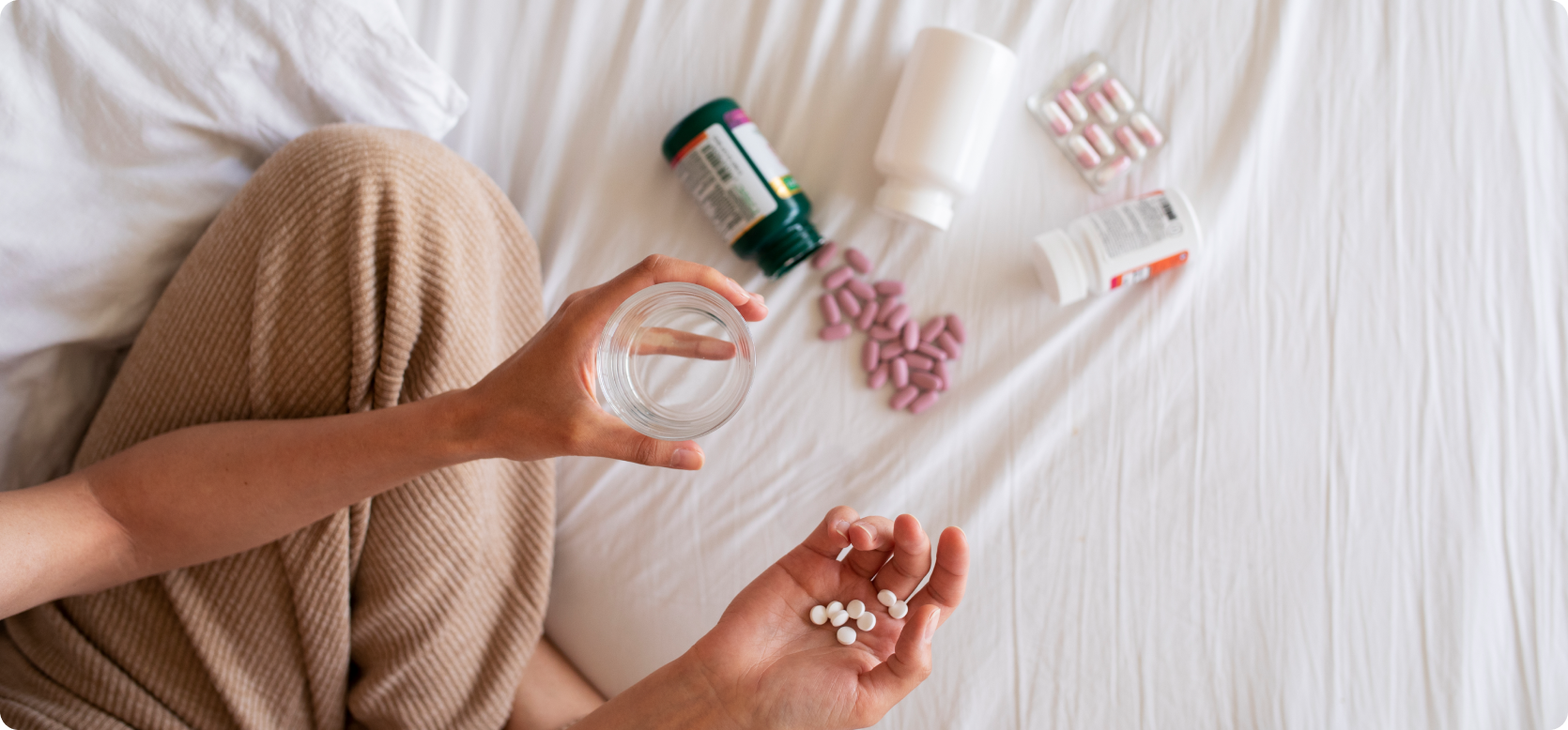
Polycystic Ovarian Disease (PCOD) affects women in different ways — irregular periods, weight gain, acne, hair thinning, and fertility struggles are just some of the ways it can show up. While diet and lifestyle remain the foundation of PCOD management, certain supplements have accumulated strong scientific evidence for improving both metabolic and reproductive outcomes. Here's a closer look at the ones worth discussing with your doctor.
1. Inositols (Myo-Inositol and D-Chiro-Inositol)
Inositols are naturally occurring compounds that play a key role in how the body responds to insulin. In women with PCOD, insulin resistance is often at the root of hormonal imbalance — and inositol supplementation, particularly in the clinically studied 40:1 ratio of myo-inositol to D-chiro-inositol, has been shown to improve insulin sensitivity, support more regular ovulation, and improve egg quality in some women trying to conceive.
2. Vitamin D (When Deficient)
Vitamin D deficiency is extremely common in women with PCOD, and low levels have been linked to worse insulin resistance and menstrual irregularity. Correcting a deficiency — ideally confirmed through a blood test rather than started blindly — has been associated with improvements in metabolic markers and menstrual regularity. Vitamin D is not a blanket recommendation for everyone; it matters most when there is an actual deficiency.
3. Omega-3 Fatty Acids
Found in fish oil and certain plant sources, omega-3 fatty acids have anti-inflammatory properties that are particularly relevant in PCOD, a condition often associated with low-grade chronic inflammation. Research suggests omega-3 supplementation may help improve lipid profiles, reduce androgen (male hormone) levels, and support more regular cycles.
4. N-Acetyl Cysteine (NAC)
NAC is an antioxidant that has been studied as an insulin-sensitising agent in PCOD, with some research suggesting it may work as effectively as metformin for certain metabolic markers, with a more favourable side-effect profile for some women. It has also shown promise in supporting ovulation in women trying to conceive.
The Bottom Line
Among the many supplements marketed for PCOD, inositols, vitamin D (when deficient), omega-3 fatty acids, and N-acetyl cysteine currently have the strongest evidence behind them for improving metabolic and reproductive outcomes. That said, supplements work best as part of a broader plan — not a replacement for it. The right combination, dosage, and duration depend on your individual hormone profile, symptoms, and health history.
Related Blogs
With advanced training in minimally invasive surgery and high-risk obstetrics.
Best Gynaecologist for Ovarian Cyst Removal in Gachibowli – Expert Care by Dr. Nikitha Reddy DS
Learn More
Adenomyosis Treatment in Gachibowli: Causes, Symptoms & Best Treatment Options
Learn More
Signs You Should Consult an Adenomyosis Specialist in Gachibowli
Learn More