Laparoscopy Surgery for Fibroids in Gachibowli: Benefits & Recovery
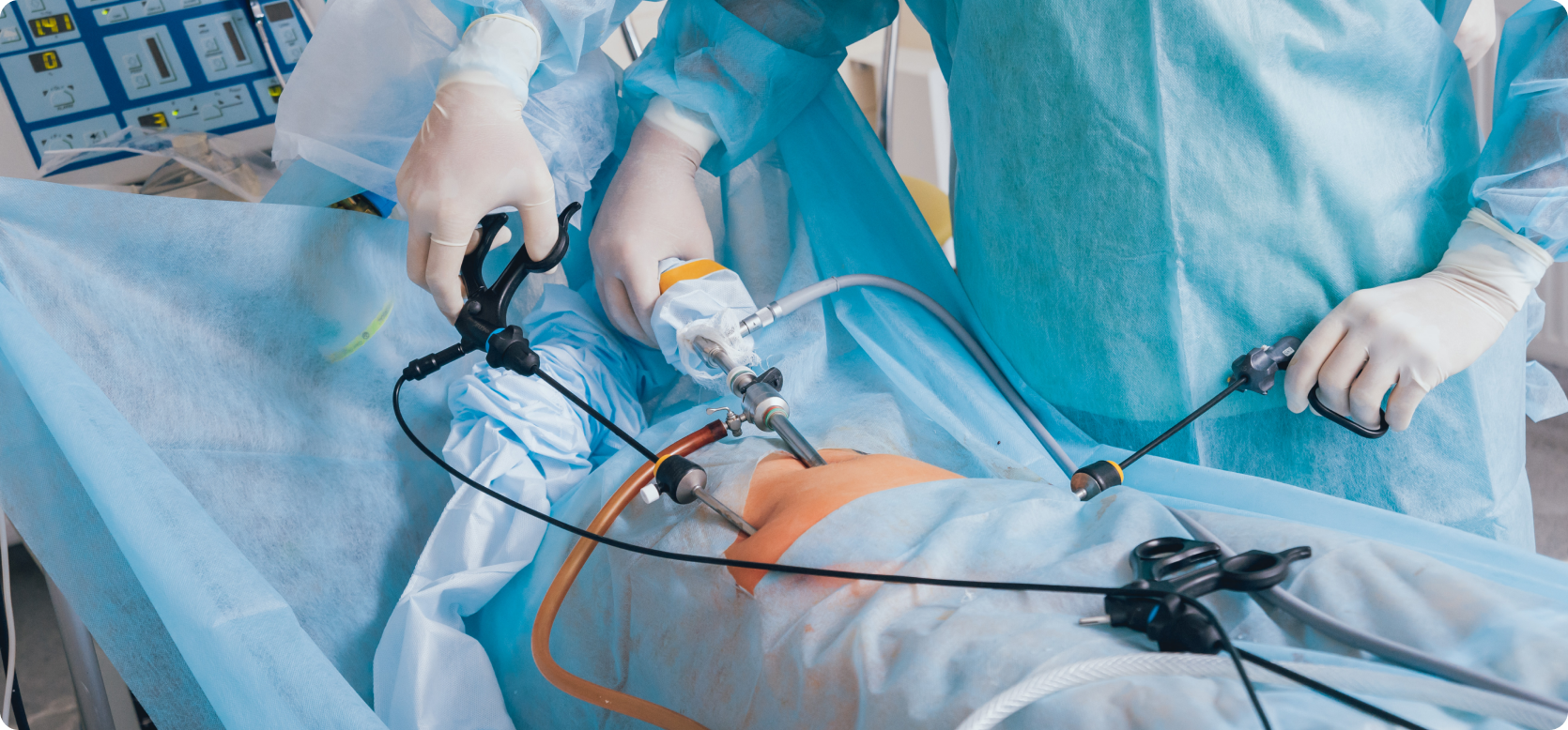
Uterine fibroids—also known as leiomyomas or myomas—are benign (non-cancerous) growths that develop in or around the uterus. They are remarkably common, affecting up to 70% of women by the age of 50, though many women with fibroids experience no symptoms at all. For those who do, however, fibroids can cause significant pain, heavy bleeding, pressure symptoms, and fertility complications, often requiring surgical intervention. Laparoscopic myomectomy (keyhole surgery for fibroids) has transformed the treatment of symptomatic fibroids by offering women an effective surgical solution with minimal incisions, faster recovery, and a rapid return to daily life. Dr. Nikitha Reddy DS is one of the most experienced laparoscopic surgeons for fibroid removal in Gachibowli, combining surgical precision with a thorough understanding of fertility preservation.
Understanding Uterine Fibroids
Fibroids are classified by their location within or around the uterus:
- Submucosal fibroids—grow into the uterine cavity and are most likely to cause heavy bleeding and implantation failure.
- Intramural fibroids—develop within the uterine muscle wall; they are the most common type and can cause bulk symptoms while affecting uterine shape.
- Subserosal fibroids—grow outward from the uterus and can place pressure on adjacent organs.
- Pedunculated fibroids—attached to the uterus by a stalk (either intracavitary or external).
- Cervical fibroids—rare fibroids located in the cervix that may obstruct delivery.
Symptoms of Uterine Fibroids
Women with symptomatic fibroids may experience one or more of the following:
- Heavy menstrual bleeding—the most common symptom of submucosal and large intramural fibroids.
- Prolonged periods lasting more than 7 days.
- Pelvic pain or pressure with a feeling of heaviness or fullness in the pelvis.
- Urinary symptoms such as frequent urination or difficulty emptying the bladder due to pressure on the bladder.
- Constipation or lower back pain caused by posterior fibroids pressing on the bowel or spine.
- Abdominal enlargement, particularly with large or multiple fibroids.
- Difficulty conceiving or recurrent miscarriage, especially with submucosal fibroids.
- Anaemia resulting from chronic heavy blood loss.
Why Laparoscopic Myomectomy Is the Preferred Approach
Compared with open (traditional) myomectomy or hysterectomy, laparoscopic myomectomy offers several important benefits:
- Minimally invasive surgery using only 3–4 small incisions (0.5–1 cm) instead of a large abdominal incision.
- Reduced blood loss through precise instruments and magnified surgical vision.
- Shorter hospital stay, typically 1–2 days compared to 3–5 days after open surgery.
- Faster recovery, allowing most women to resume normal activities within 1–2 weeks.
- Less post-operative pain due to smaller incisions.
- Minimal scarring with tiny, barely visible scars.
- Preservation of the uterus, making it ideal for women planning future pregnancies.
- Lower risk of adhesion formation, reducing fertility-related complications.
- Excellent surgical visibility through high-definition laparoscopic cameras.
Dr. Nikitha Reddy DS's Approach to Laparoscopic Fibroid Removal
Every laparoscopic myomectomy is carefully planned to maximise safety and preserve fertility. The approach includes:
- MRI scan to accurately map the number, size, location, and blood supply of fibroids.
- Treatment of anaemia using iron supplementation or GnRH agonists where indicated to reduce blood loss before surgery.
- Comprehensive pre-operative counselling explaining the surgical plan, risks, and expected outcomes.
- Selection of the most appropriate surgical technique, including intracorporeal or extracorporeal morcellation based on fibroid characteristics.
- Meticulous multilayer uterine reconstruction to create a strong uterine scar suitable for future pregnancies.
- Contained specimen retrieval using a surgical bag to prevent tissue dissemination.
Recovery After Laparoscopic Myomectomy
Recovery following laparoscopic fibroid surgery is generally smooth, with the following milestones:
- Day 1 (Surgery day)—procedure usually lasts 1–3 hours, with recovery in hospital and mobilisation beginning the same evening.
- Day 1–2—mild shoulder tip pain from carbon dioxide gas may occur and usually resolves within 24–48 hours; oral diet is resumed.
- Day 2–3—most patients are discharged home with detailed wound care instructions.
- Week 1–2—light activities are encouraged while avoiding strenuous work and driving for about one week.
- Week 2–4—gradual return to work, with most women resuming desk jobs within 10–14 days.
- Week 6—follow-up consultation with ultrasound to confirm proper uterine healing.
- Conception is generally advised after waiting 3–6 months to allow complete healing of the uterus before attempting pregnancy.
Fibroids and Fertility: The Importance of Specialist Care
Not all fibroids affect fertility, but those that distort the uterine cavity or significantly enlarge the uterus can impair implantation, increase miscarriage risk, and complicate pregnancy and delivery. Dr. Nikitha Reddy DS carefully evaluates each patient's fibroid profile in the context of her fertility goals, recommending surgery only when supported by evidence and always prioritising preservation of the uterus whenever possible.
Related Blogs
With advanced training in minimally invasive surgery and high-risk obstetrics.
Best Gynaecologist for Ovarian Cyst Removal in Gachibowli – Expert Care by Dr. Nikitha Reddy DS
Learn More
Adenomyosis Treatment in Gachibowli: Causes, Symptoms & Best Treatment Options
Learn More
Signs You Should Consult an Adenomyosis Specialist in Gachibowli
Learn More