PCOS and Irregular Periods Treatment in Gachibowli: Complete Women's Health Guide
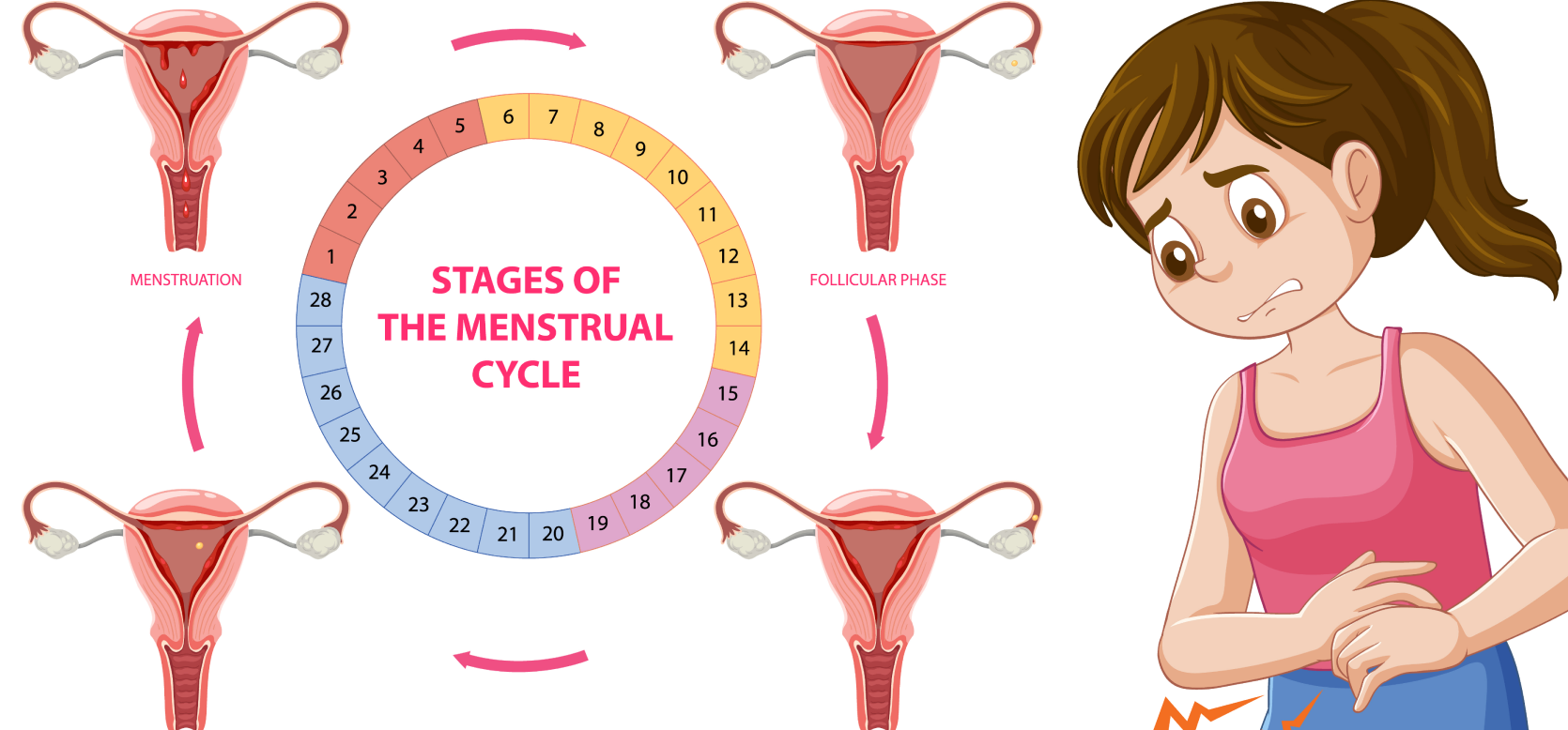
Polycystic Ovary Syndrome (PCOS) is one of the most prevalent hormonal disorders affecting women of reproductive age—estimated to affect 1 in 5 women in India. Despite being so common, PCOS remains underdiagnosed and mismanaged in many cases, leading to years of suffering from irregular periods, weight gain, acne, hair loss, and fertility struggles. Dr. Nikitha Reddy DS, a leading gynaecologist and women's health specialist in Gachibowli, offers a comprehensive, evidence-based approach to PCOS diagnosis and management. This guide covers everything you need to know about PCOS—from its root causes to the most effective treatment options available in Gachibowli today.
What Is PCOS?
PCOS is a complex endocrine disorder characterised by a hormonal imbalance that affects how the ovaries function. The three key features (Rotterdam criteria) used to diagnose PCOS are:
- Irregular or absent periods—due to disrupted ovulation.
- Elevated androgens (male hormones)—causing acne, excess facial or body hair (hirsutism), and hair thinning.
- Polycystic ovaries on ultrasound—multiple small follicles arranged around the ovarian periphery.
- A diagnosis of PCOS requires the presence of at least two of these three features after excluding other hormonal conditions.
Causes and Triggers of PCOS
PCOS arises from a combination of genetic, hormonal, and lifestyle factors:
- Insulin resistance—the most common underlying mechanism, causing the pancreas to overproduce insulin, which stimulates excess androgen production.
- Genetic predisposition—PCOS often runs in families.
- Elevated LH levels—disrupting normal ovulation signalling.
- Inflammation—low-grade chronic inflammation stimulates androgen secretion.
- Sedentary lifestyle and a high-glycaemic diet—exacerbate insulin resistance and hormonal dysregulation.
Symptoms of PCOS: What to Look Out For
PCOS can present with a wide range of symptoms that vary from woman to woman. Common signs include:
- Irregular periods—cycles longer than 35 days, fewer than 9 periods per year, or absent periods (amenorrhoea).
- Acne—often on the chin, jawline, and back, persisting beyond teenage years.
- Hirsutism—unwanted facial or body hair growth, particularly on the upper lip, chin, chest, or abdomen.
- Hair thinning or androgenic alopecia.
- Unexplained weight gain—particularly around the abdomen.
- Skin tags or darkening of skin at the neck, underarms, or groin (acanthosis nigricans).
- Difficulty conceiving due to infrequent or absent ovulation.
- Mood changes, anxiety, or depression.
How Dr. Nikitha Reddy DS Diagnoses PCOS
At her clinic in Gachibowli, Dr. Nikitha Reddy DS follows a structured diagnostic process:
- Detailed menstrual and symptom history.
- Pelvic examination and Body Mass Index (BMI) assessment.
- Transvaginal or transabdominal ultrasound to visualise the ovaries.
- Hormonal blood panel—LH, FSH, total and free testosterone, DHEAS, prolactin, and thyroid function tests.
- Fasting insulin and glucose levels to assess insulin resistance.
- Lipid profile, given PCOS's association with cardiovascular risk.
PCOS Treatment Options at Dr. Nikitha Reddy DS's Clinic
Treatment at Dr. Nikitha's clinic is always personalised and goal-directed—whether the priority is regulating periods, managing skin symptoms, achieving weight loss, or conceiving:
- Lifestyle modification—the single most impactful intervention; even a 5–10% reduction in body weight can restore ovulation in many women.
- Combined oral contraceptive pill—to regulate periods, reduce androgens, and manage acne.
- Metformin—to improve insulin sensitivity, regulate cycles, and support weight loss.
- Anti-androgen medications such as spironolactone—for hirsutism and acne management.
- Ovulation induction with letrozole or clomiphene citrate for women trying to conceive.
- Gonadotropin injections with ultrasound monitoring for IUI cycles in resistant PCOS.
- Laparoscopic ovarian drilling (LOD)—a surgical option for clomiphene-resistant PCOS.
- Long-term metabolic monitoring including annual lipid profiles, glucose tolerance tests, and blood pressure checks.
Living Well with PCOS: Lifestyle and Diet Guidance
Long-term management of PCOS involves healthy lifestyle habits alongside medical treatment. Dr. Nikitha Reddy DS recommends:
- Adopt a low-glycaemic diet rich in vegetables, whole grains, lean proteins, and healthy fats.
- Limit refined carbohydrates, processed foods, and sugary drinks.
- Aim for at least 150 minutes of moderate exercise per week.
- Prioritise consistent sleep, as sleep deprivation worsens insulin resistance.
- Manage stress through yoga, meditation, or counselling, since elevated cortisol can worsen PCOS symptoms.
- Attend regular follow-up appointments to monitor hormonal and metabolic parameters.
Related Blogs
With advanced training in minimally invasive surgery and high-risk obstetrics.
Best Gynaecologist for Ovarian Cyst Removal in Gachibowli – Expert Care by Dr. Nikitha Reddy DS
Learn More
Adenomyosis Treatment in Gachibowli: Causes, Symptoms & Best Treatment Options
Learn More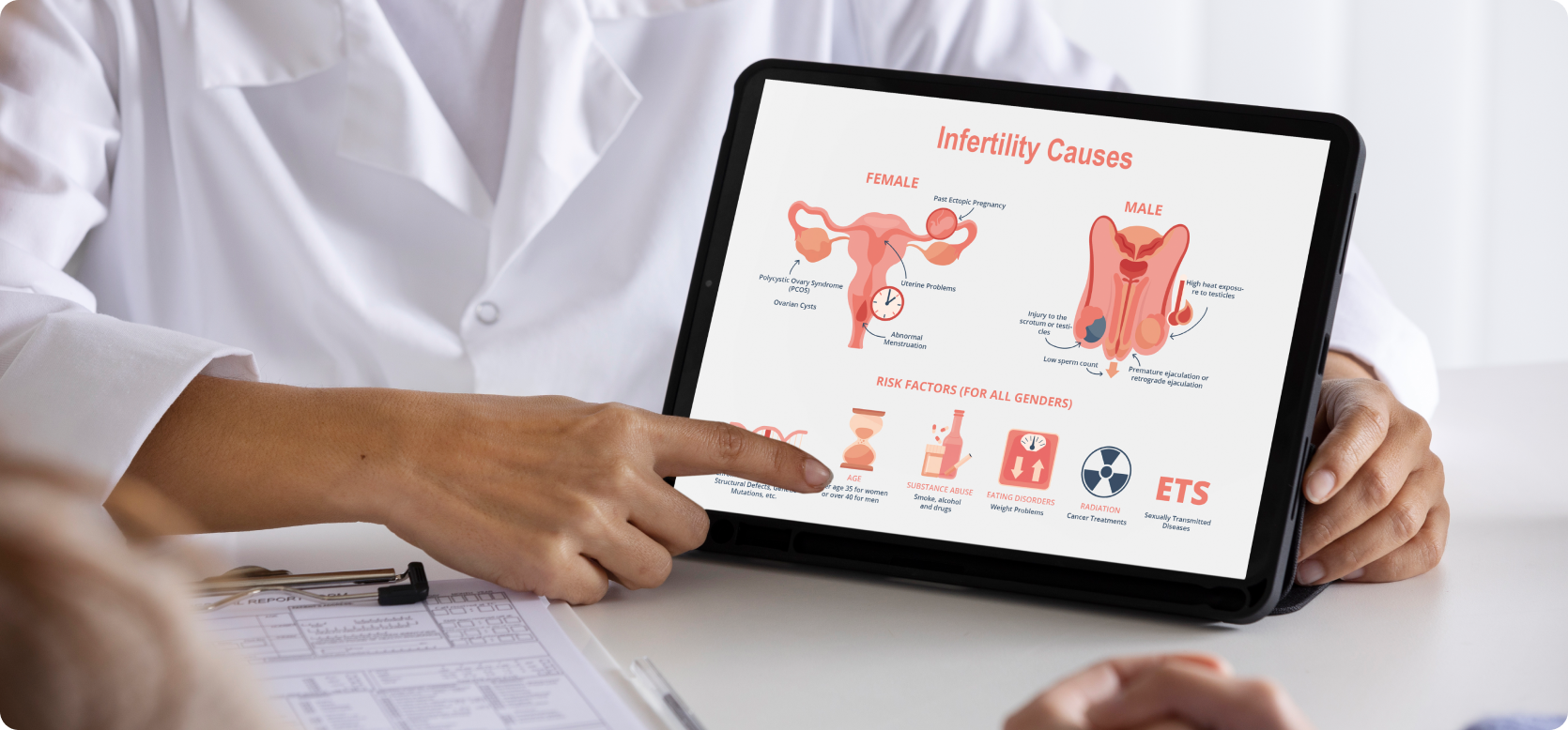
Signs You Should Consult an Adenomyosis Specialist in Gachibowli
Learn More