Top Uterine Fibroid Surgeon in Financial District: Treatment, Surgery & Recovery
Uterine fibroids are among the most common growths in women of reproductive age. Many are small and silent, but others cause heavy periods, pain, pressure symptoms and fertility problems. Choosing the right treatment, and the right surgeon, can restore comfort and confidence. If you live or work in the Financial District, this guide explains fibroid types, treatment options, surgery and recovery.
What Are Uterine Fibroids?
Fibroids, also called leiomyomas or myomas, are non-cancerous growths of the muscle of the uterus. They can be as small as a seed or as large as a melon, and a woman may have one or several. The exact cause is not fully understood, but hormones, genetics and age play a role.
Types of Fibroids
Fibroids are classified based on their location within the uterus:
- Subserosal: grow on the outer surface of the uterus
- Intramural: grow within the muscular wall
- Submucosal: grow into the uterine cavity and often cause heavy bleeding
- Pedunculated: attached by a stalk, either inside or outside the uterus
Symptoms of Fibroids
Common symptoms associated with uterine fibroids:
- Heavy or prolonged periods, sometimes leading to anaemia
- Pelvic pain or pressure
- Frequent urination or constipation
- Lower abdominal swelling
- Pain during intercourse
- Difficulty conceiving or repeated miscarriage in some women
How Are Fibroids Diagnosed?
Diagnosis starts with a pelvic examination and ultrasound, which shows the size, number and location of fibroids. MRI may be advised for complex cases, and hysteroscopy can look directly at fibroids inside the uterine cavity. A blood test for haemoglobin checks for anaemia caused by heavy bleeding.
Treatment Options for Fibroids
Management options depending on symptoms, fibroid size, and fertility plans:
- Observation: Small fibroids without symptoms usually do not need treatment and can be watched with periodic scans.
- Medical Treatment: Medicines can control heavy bleeding and pain, and some hormonal medicines may shrink fibroids temporarily. They do not remove the fibroids, and symptoms may return after stopping treatment.
- Surgical Treatment: Surgery is considered when symptoms are significant, fibroids are growing, fertility is affected or medicines fail. The main options are hysteroscopic myomectomy, laparoscopic myomectomy, open myomectomy, and hysterectomy.
- Other Non-Surgical Procedures: Uterine artery embolisation, which blocks the blood supply to fibroids, and image-guided ablation techniques are options in selected women who wish to avoid surgery.
Why Minimally Invasive Surgery?
Compared with open surgery, laparoscopic and hysteroscopic procedures involve smaller or no incisions, less pain, less blood loss, a shorter hospital stay and faster return to routine. This is particularly valuable for working professionals who want to resume their day-to-day life quickly.
Recovery After Fibroid Surgery
Recovery depends on the type of surgery and the size and number of fibroids. After laparoscopic procedures, most patients are able to eat within a few hours and go home within 12 to 24 hours. Light activities can usually be resumed within about three days and normal routine within one to two weeks, as advised by your surgeon. After hysteroscopic myomectomy, recovery is often even quicker. Your doctor will give instructions about wound care, activity, follow-up and when you can plan pregnancy.
Fibroids and Pregnancy
Many women with fibroids conceive and deliver safely. However, large fibroids or those distorting the uterine cavity may affect fertility or pregnancy outcomes. If you are planning a baby, discuss your fibroids with your doctor before conceiving so that the best treatment plan can be chosen.
Preparing for Fibroid Surgery
Steps for smooth surgical preparation:
- Get your blood count checked and correct anaemia beforehand
- Share all medicines, allergies and previous surgeries with your doctor
- Follow fasting instructions before the procedure
- Arrange a family member to accompany you on the day
- Plan a few days of rest from work
How to Choose a Fibroid Surgeon
Key considerations when selecting a specialist:
- Experience in laparoscopy and hysteroscopy
- Willingness to offer uterus-preserving options
- Clear explanation of risks, benefits and alternatives
- Attention to fertility goals and future pregnancy
- Good post-operative care and follow-up
Why Choose Dr. Nikitha Reddy DS?
Dr. Nikitha Reddy DS is a gynaecologist with expertise in minimally invasive surgery, including laparoscopy and hysteroscopy. She advises surgery only when it is truly needed, discusses every alternative and aims for safe outcomes with faster recovery. Her Gachibowli and Madhapur clinics are conveniently reachable from the Financial District.
Conclusion
Fibroids are common and treatable, and you do not have to live with heavy bleeding or pelvic pain. An accurate diagnosis, a clear treatment plan and a skilled minimally invasive surgeon can help you return to normal life quickly. If fibroids are affecting your health or fertility, book a consultation and explore your options. Book your appointment with Dr. Nikitha Reddy DS today. Call us or visit our clinic in Gachibowli / Madhapur, Hyderabad.
Related Blogs
With advanced training in minimally invasive surgery and high-risk obstetrics.
Top Gynaecologists for Adenomyosis in Gachibowli: Symptoms, Diagnosis & Treatment Options
Learn More
Best Gynaecologist for Normal Delivery in Madhapur: What Expecting Mothers Should Know
Learn More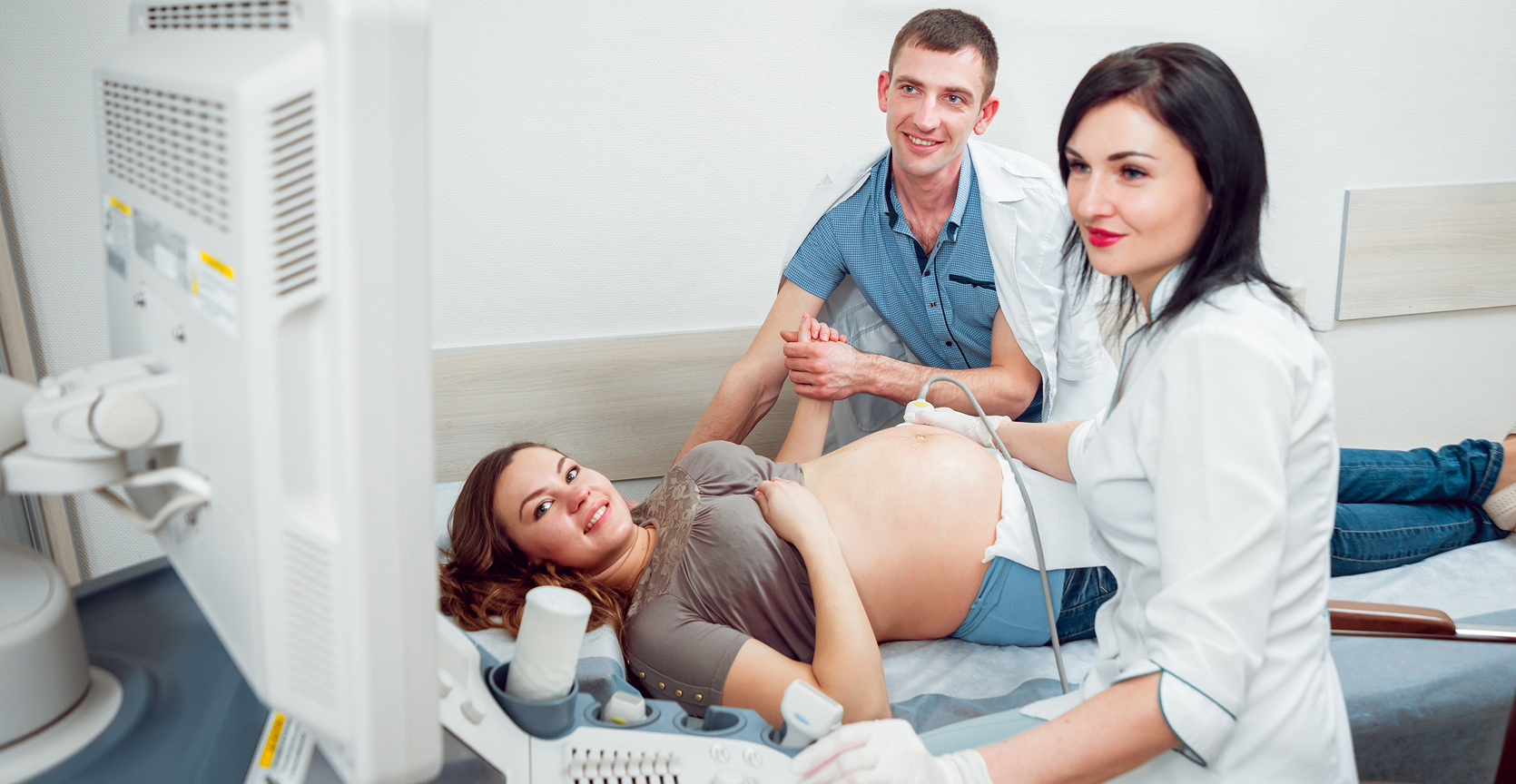
High-Risk Pregnancy Doctor in Gachibowli: When to Seek Expert Care
Learn More